


 Zūm Rails
 Stripe
 Interac e-Transfer
 Visa
Visa Mastercard
 American Express
 Apple Pay
 Google Pay
 QuickBooks
 Twilio
 Microsoft 365
 Google Workspace
 Canadian team

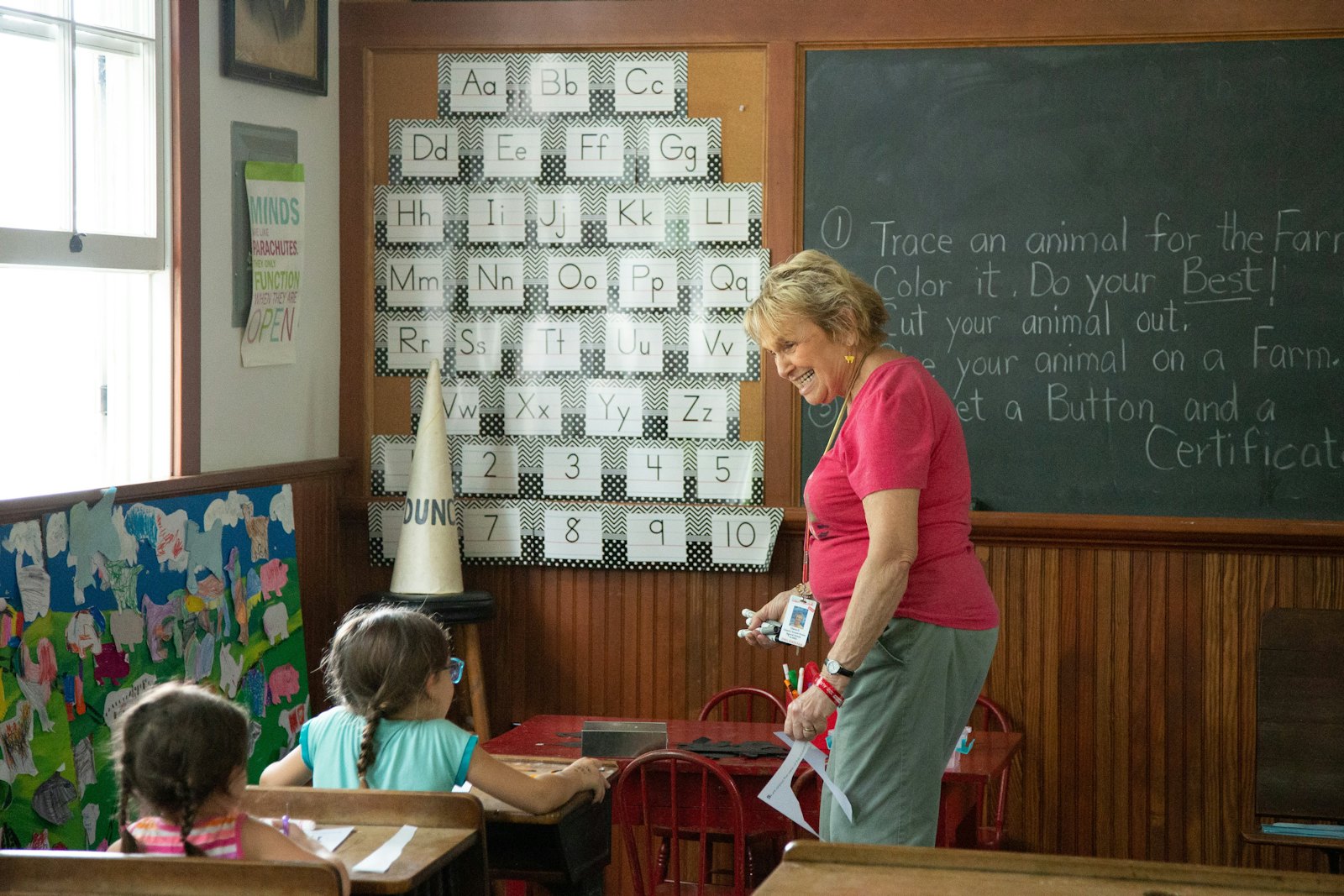


Few things weigh on a childcare director more than the possibility of a serious allergic reaction or a medication error. The good news is that most risk is reduced by solid, boring systems followed every single day: clear plans, careful storage, consistent logs and trained staff. Here is what those systems typically include.
Start at enrolment
Collect allergy and medical information before a child's first day, and ask families to update it whenever something changes. Your forms should ask about:
- Known allergies (food, insect, medication, latex, environmental) and the type of reaction
- Diagnosed conditions such as asthma, diabetes or seizure disorders
- Any medication the child may need at the program, routinely or in an emergency
- Emergency contacts and the child's physician
Review this information at least annually, and more often for young children whose needs change quickly.
Individual allergy or care plans
For any child with a serious allergy or medical condition, work with the family to put an individual plan in place. Many jurisdictions require one for anaphylaxis. A good plan typically includes:
- A current photo of the child
- The specific allergens or triggers
- Signs and symptoms to watch for
- Step-by-step emergency response, as directed by the child's physician
- Medication details and where it is kept
- Emergency contacts
Post plans where staff can find them quickly, in line with your privacy policy, and make sure they travel with the child on outings.
Written authorisation for medication
Most licensing rules require written parental authorisation before any medication is given, and some require physician instructions for prescription medication. Authorisation forms usually record the child's name, the medication, dose, time or conditions for giving it, the start and end dates, and the parent's signature. Never give medication based on a verbal request at the door, and never go beyond the written instructions.
Labelling and storage
- Accept medication in its original container with the pharmacy label showing the child's name, drug, dose and expiry date.
- Store medication out of children's reach, in a locked container where your rules require it, and at the temperature the label specifies.
- Keep emergency medication such as epinephrine auto-injectors accessible to staff and not locked away, following your jurisdiction's rules.
- Check expiry dates on a regular schedule and let families know well before a medication needs replacing.
- Return unused or expired medication to families rather than disposing of it yourself, unless your policy says otherwise.
Administration logs
Every dose given should be recorded at the time it is given: date, time, medication, dose, the staff member who gave it and any observations. Some programs also require a second staff member to check. A clear log protects the child, supports the educator and shows families exactly what happened. It also prevents a common error: a dose given twice because one shift did not know the other had already given it.
Food policy and daily practice
- Decide on your approach to common allergens, such as nut-aware or restricted foods, and explain it clearly to families.
- Check ingredient labels on everything served, including snacks and art or sensory materials that contain food.
- Have a clear process for birthday treats and food brought from home.
- Use handwashing and surface cleaning to reduce cross-contact.
- Make sure whoever serves food, including supply staff and cooks, knows which children have which allergies.
Staff training
Everyone who might be alone with a child needs to know how to recognise a reaction and respond. That usually means first aid and CPR certification as required by your regulator, plus hands-on practice with trainer devices for auto-injectors. Review individual plans with staff whenever a new child enrols or a plan changes, and include supply staff and volunteers in orientation.
Emergency response
When a reaction happens, there is no time to look things up. Staff should know, without hesitation:
- Where the child's plan and medication are
- Who gives the medication and who calls emergency services
- Who supervises the other children
- Who contacts the family
- How and when to document the incident and notify your licensing authority if required
Practise this like a fire drill. A calm, rehearsed response makes a real difference.
Review after every incident
After any reaction or near miss, debrief with your team. What worked? Was anything unclear or slow? Update plans and procedures, and record what changed.
How KiddieTrac helps
KiddieTrac supports incident reports for documenting what happened and when, and parent messaging so you can reach a family directly when a plan or medication needs attention.