

 Zūm Rails
 Stripe
 Interac e-Transfer
 Visa
Visa Mastercard
 American Express
 Apple Pay
 Google Pay
 QuickBooks
 Twilio
 Microsoft 365
 Google Workspace
 Canadian team

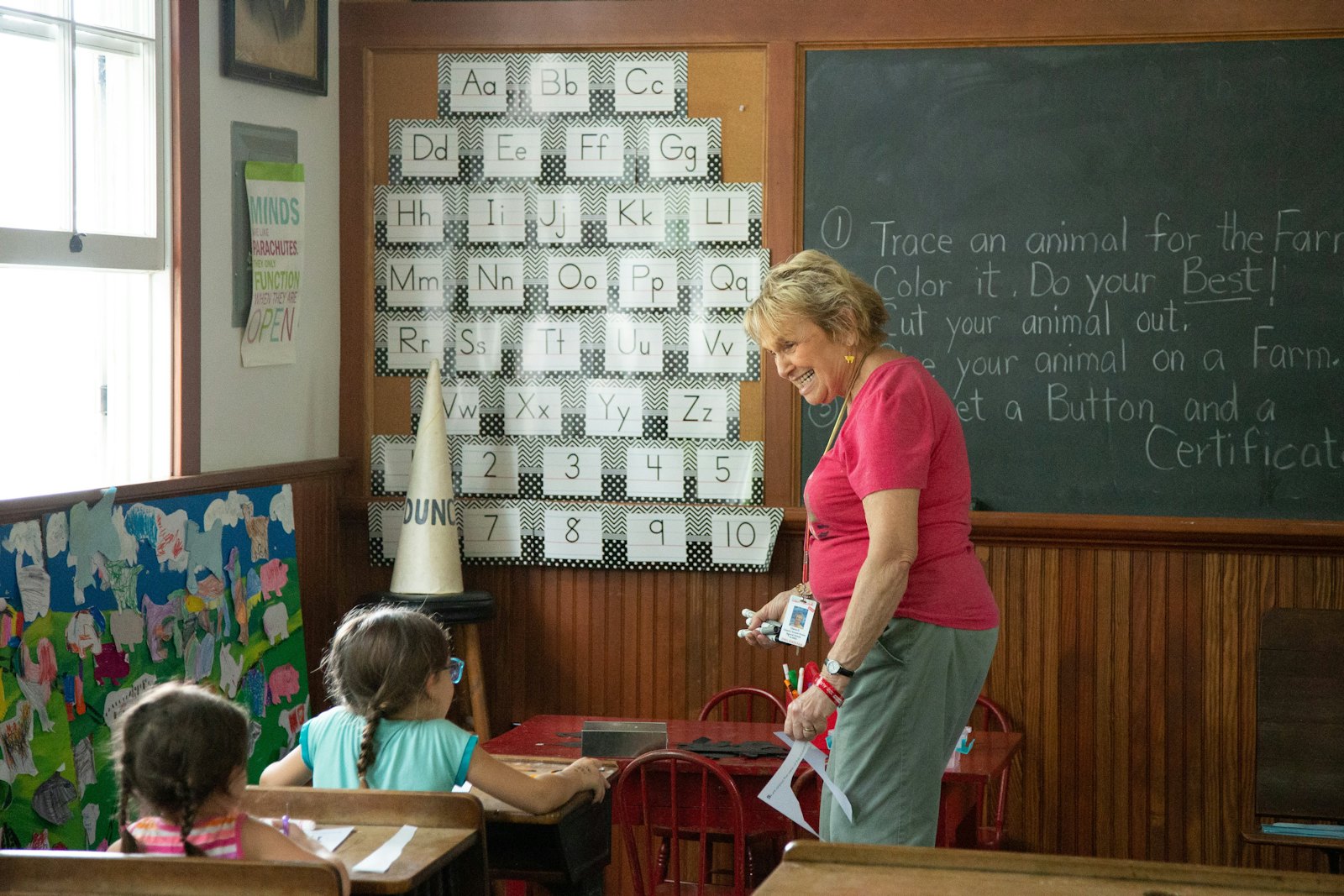


Nobody wants to think about a fire, a gas leak, a lockdown or a sudden closure. But when something does happen, the centres that cope best are the ones that rehearsed it, knew exactly who was in the building, and could reach every family quickly. This checklist covers the practical pieces that make that possible.
1. Have a written plan for each type of emergency
Different emergencies call for different responses. Your plan should cover, at a minimum, evacuation, shelter-in-place, lockdown, a missing child, a medical emergency and an unplanned closure. For each one, write down:
- Who makes the call and who takes over if that person is absent.
- Primary and secondary evacuation routes and meeting points.
- An off-site location if the building cannot be re-entered.
- How infants and children with mobility needs will be moved, including evacuation cribs or other equipment.
Keep the plan short enough to use under pressure. A binder nobody has read will not help at 10:30 on a Tuesday morning.
2. Practise with regular drills
Drills turn a plan into habit. Run them at different times of day, including arrival, nap time and pickup, because those are when things are most complicated. Vary the scenario: block an exit, run a drill when a key staff member is on break. Record each drill with the date, time, how long it took and anything that went wrong. Children who have practised calmly are far less frightened when it is real.
3. Know exactly who is on site
A roll call is only as good as your attendance record. If check-ins are recorded late, or a child who left early was never signed out, your count will be wrong at the moment it matters most. Make sure:
- Every child is checked in and out at the time they arrive and leave.
- Staff, students, volunteers and visitors are signed in too.
- The attendance list can be taken with you when you evacuate, on paper or a device.
- Someone is responsible for bringing it, with a named backup.
At the meeting point, each educator counts their group and reports to the person in charge. Anyone unaccounted for is reported immediately to emergency responders.
4. Keep contact lists and authorised pickups current
In an emergency you may need to release children to someone other than their usual parent. That is exactly when mistakes happen. Review with families, at least once a year and whenever something changes, their emergency contacts and the list of people authorised to pick up their child. Note any custody arrangements or restrictions clearly, and make sure staff know how to verify identity even in a hurry.
5. Make medical information reachable
If you evacuate, children's allergy information, medications and health conditions need to come with you. Epinephrine auto-injectors, inhalers and other emergency medications should be in a go-bag or with the child's group, not locked in an office. Educators should know which children in their group have serious allergies or conditions without having to look it up.
6. Plan how you will reach families
When families hear about an incident from social media or a neighbour before they hear from you, trust suffers. Decide in advance:
- Which channels you will use: text message, phone call, email, or all three.
- Who sends the message, and who approves it.
- Short template messages for evacuation, closure and reunification, ready to adapt.
- Where families should go, and what they should bring to collect their child.
Keep early messages brief, factual and calm. Say what happened, that children are safe (if they are), what families need to do, and when you will update them next. Then update them when you said you would.
7. Prepare for unplanned closures
Storms, power outages, water problems and building issues can all close a centre at short notice. Set a clear decision time for weather closures, tell families in advance how they will be notified, and make sure staff know the process too.
8. Review after every drill and every real event
An after-action review is where preparedness actually improves. Soon after a drill or incident, gather the staff involved and ask what went well, what didn't, and what should change. Update the plan, fix the equipment, retrain where needed, and record what you did. Complete any incident or reporting requirements your licensing authority has for serious occurrences.
How KiddieTrac helps
KiddieTrac records QR-code check-in and check-out for children and clock-in for staff, keeps authorised pickups, emergency contacts and immunization records with each child, and lets you send emergency or announcement messages to families by SMS and voice call. Incident reports give you a place to document what happened afterwards.