 Zūm Rails
 Stripe
 Interac e-Transfer
 Visa
Visa Mastercard
 American Express
 Apple Pay
 Google Pay
 QuickBooks
 Twilio
 Microsoft 365
 Google Workspace
 Canadian team

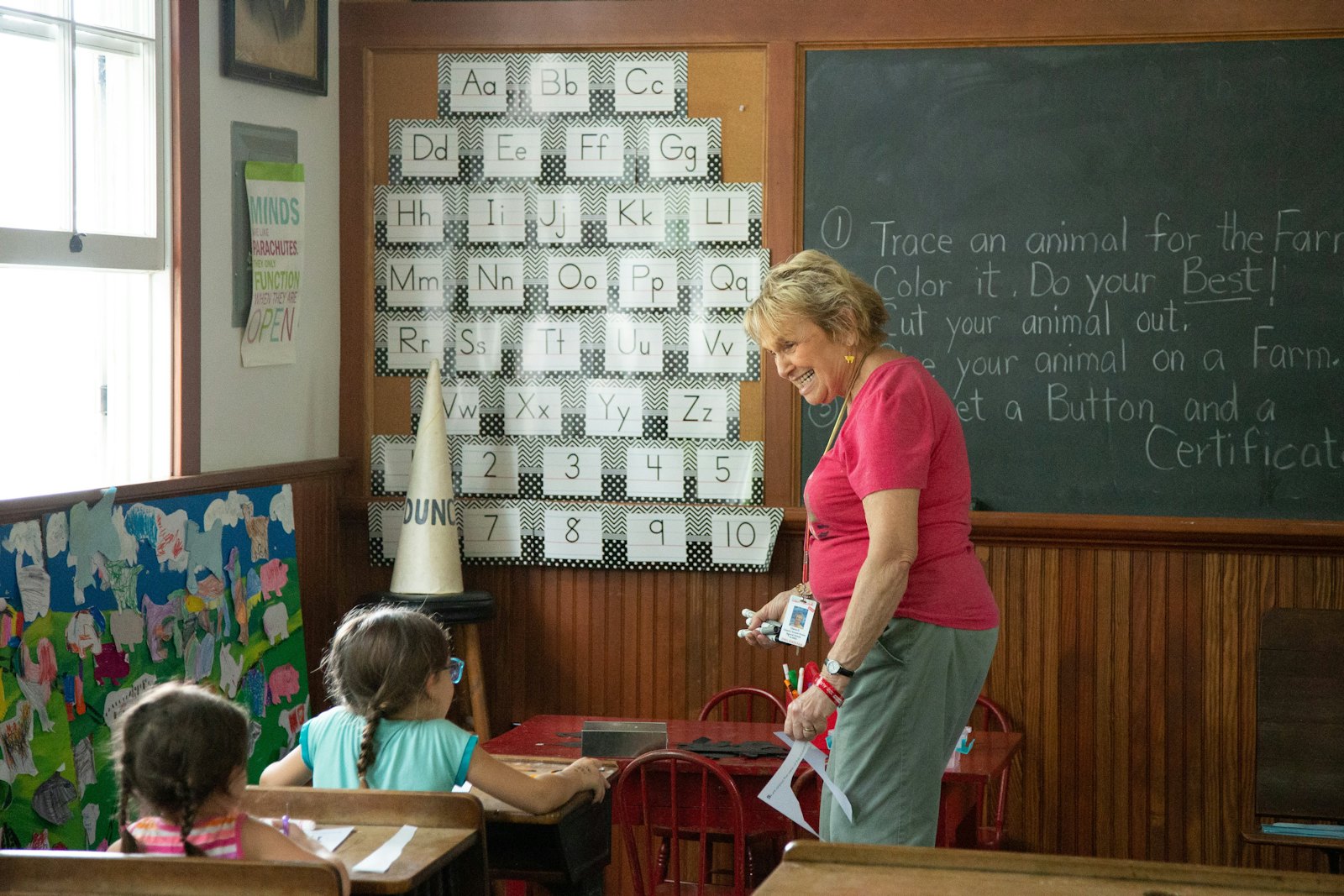
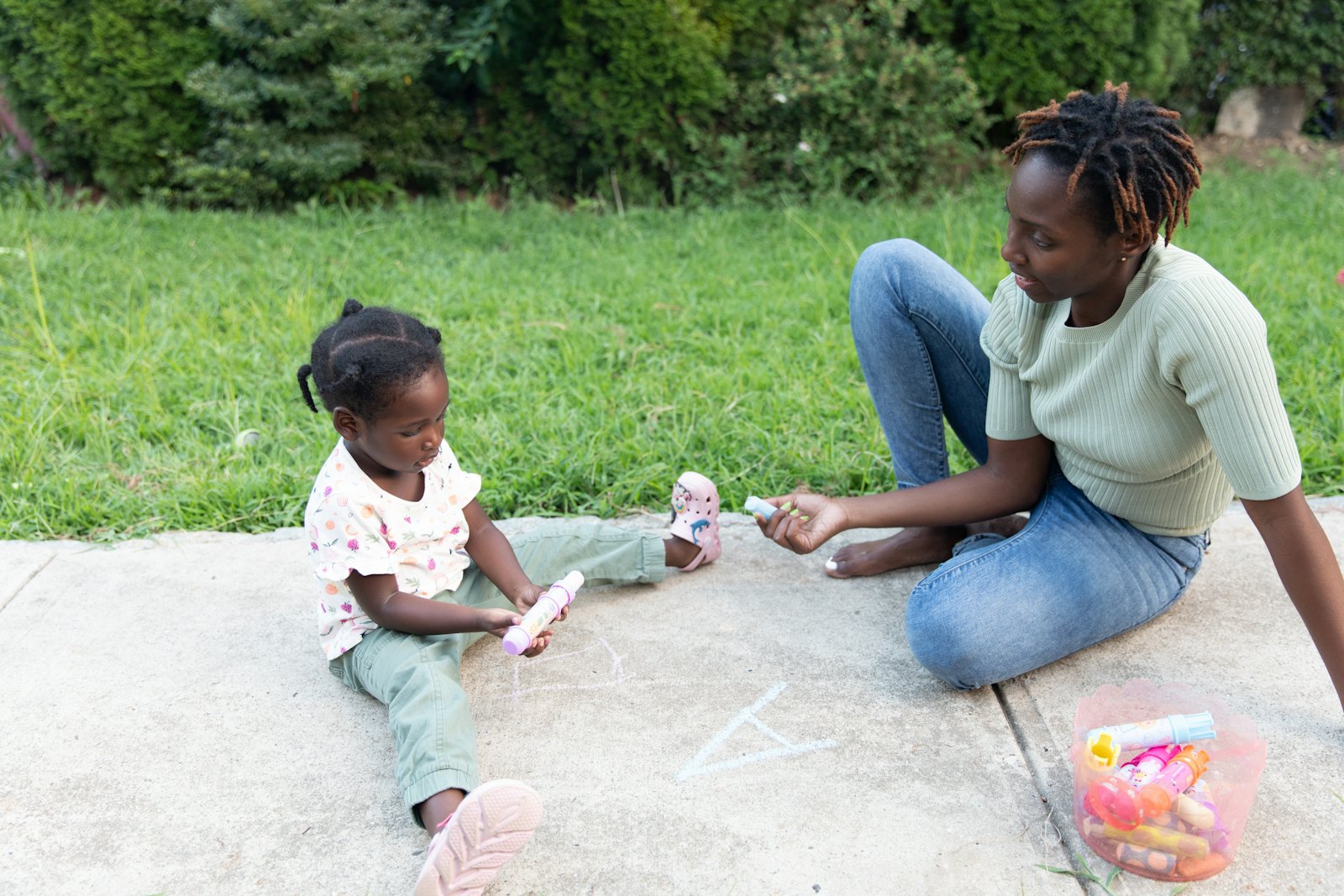
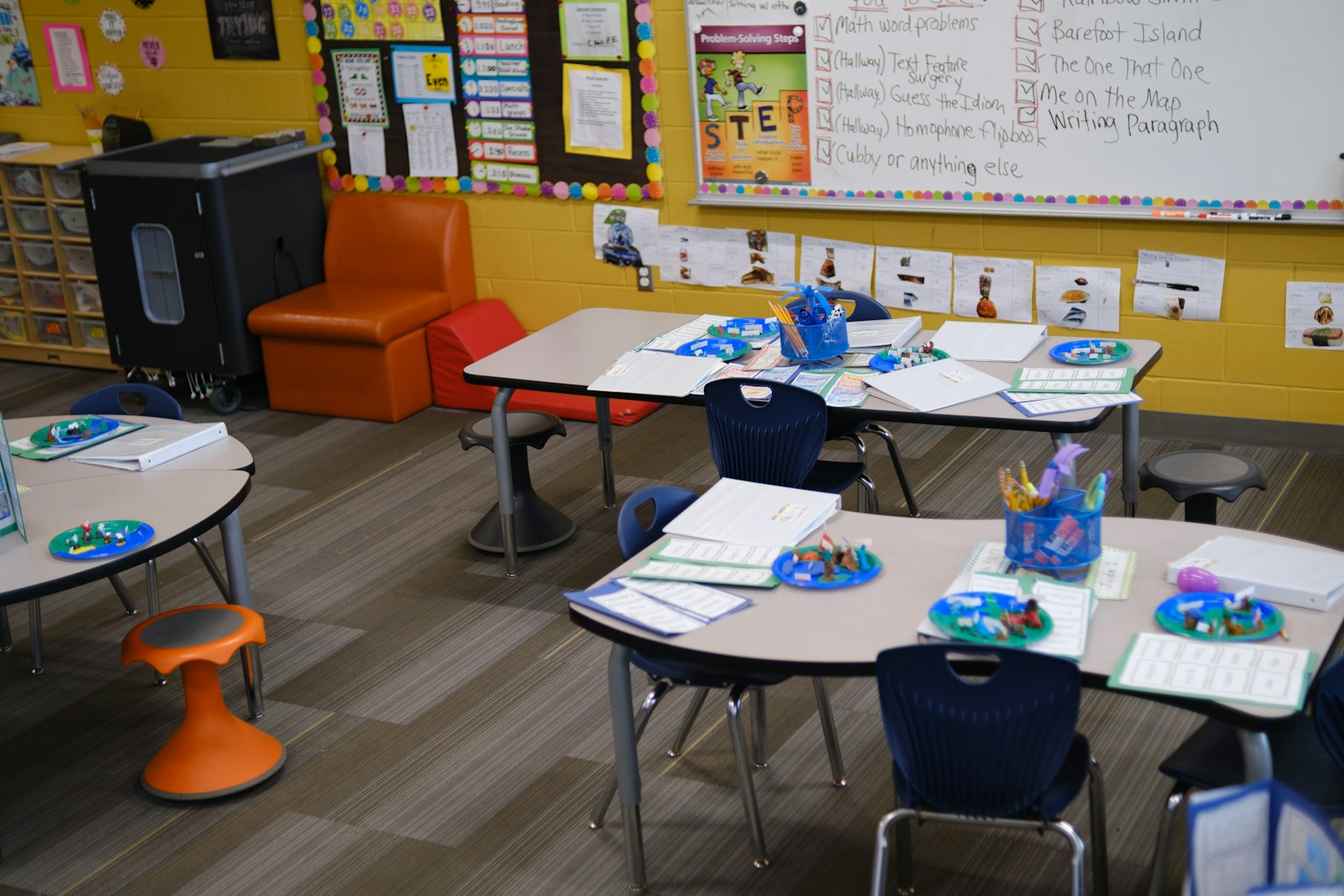

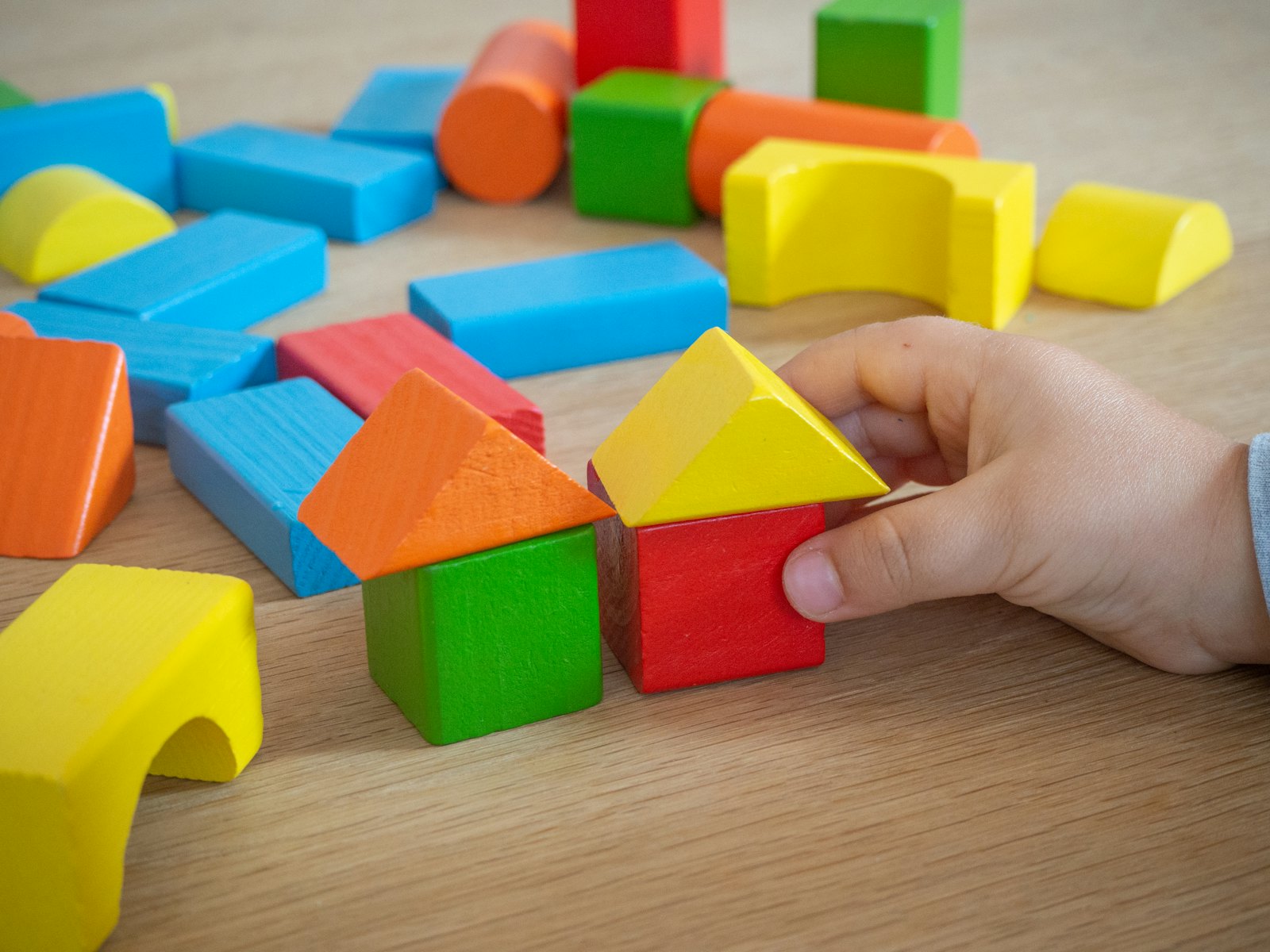
Most childcare programs describe themselves as play-based, and most families nod along. But what does it actually look like on a Tuesday morning with eleven toddlers, one spilled paint cup and a child who only wants to talk about garbage trucks? Play-based learning is not the absence of a plan. It is a different kind of plan, one that starts with the children and trusts that play is widely recognised as central to how young children learn.
Start with the environment
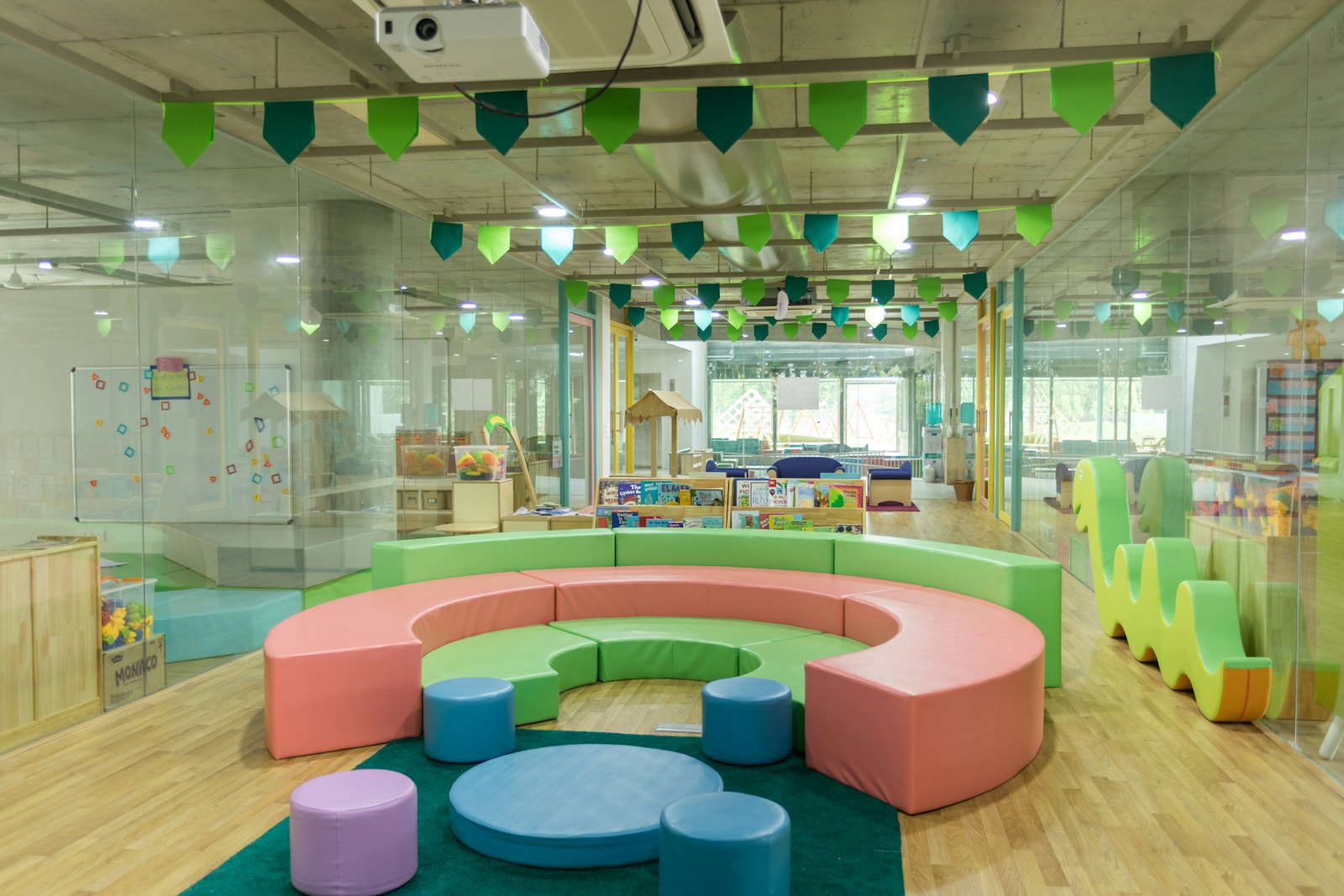
In a play-based room, the environment does a lot of the teaching. Before children arrive, educators decide what is out, where it sits and what it invites children to do.
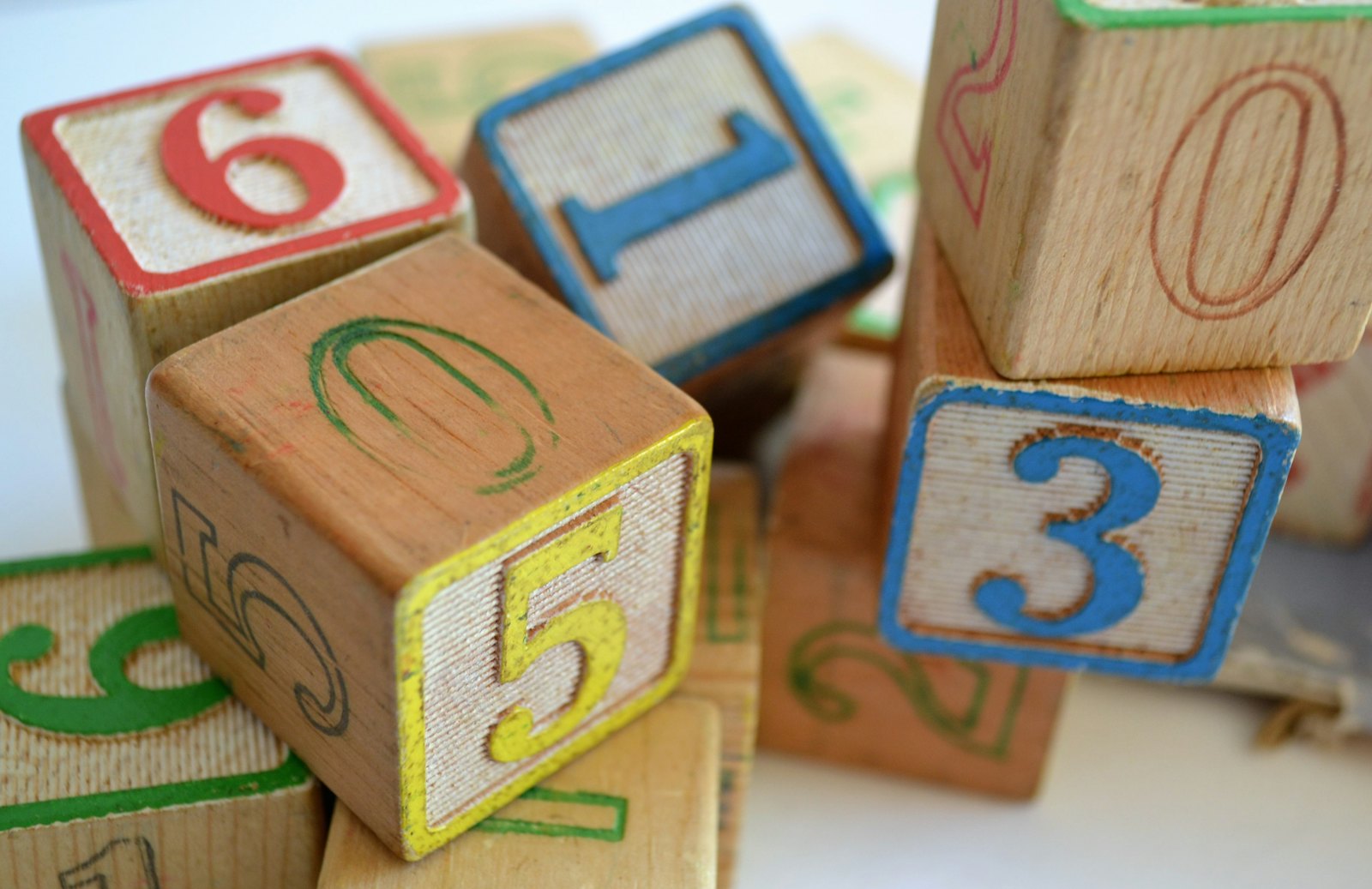
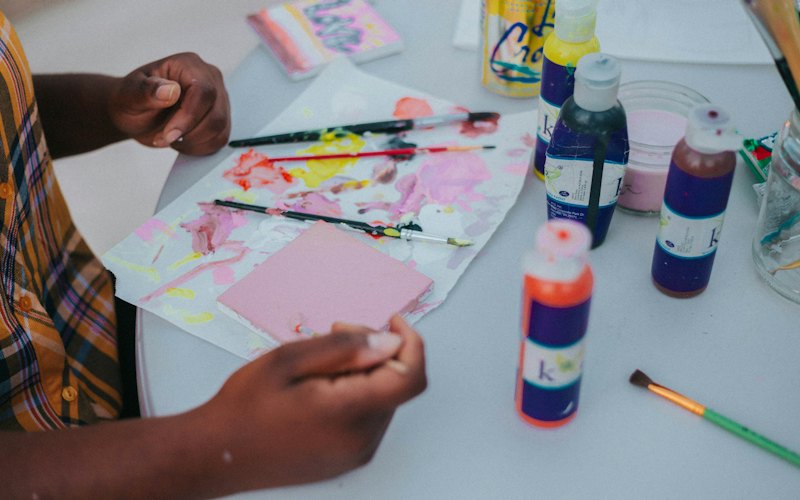
- Clear, accessible areas. Blocks, dramatic play, art, books, sensory materials and a quiet corner, each with low shelves children can reach without help.
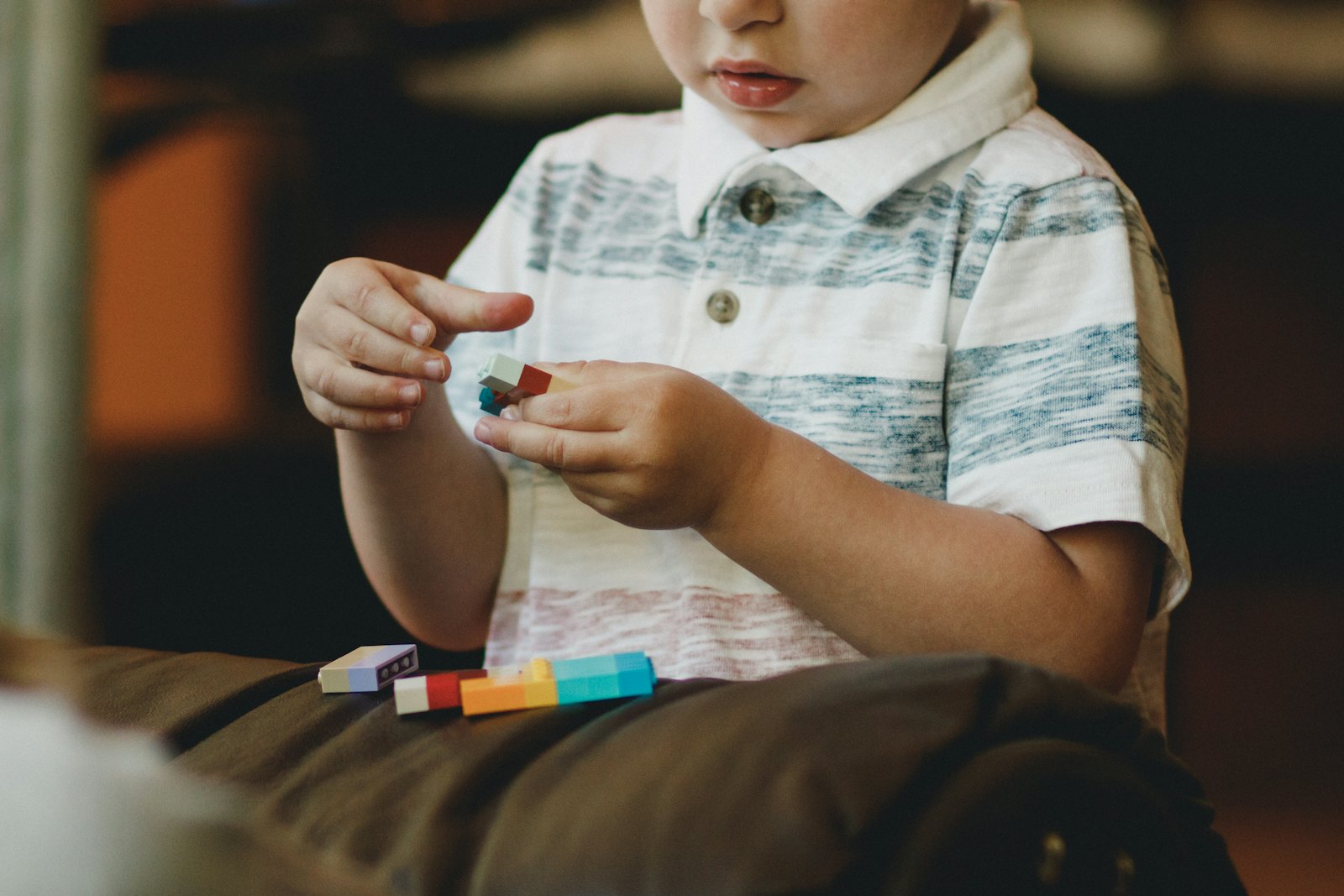
- Open-ended materials. Loose parts like wooden rings, fabric, pinecones, tubes and scoops can become anything. A plastic toy that does one thing tends to get one kind of play.
- Fewer things, rotated often. A crowded shelf is hard to use. Put out less and swap materials as interests change.
- Room to spread out. A block structure that has to be packed away after ten minutes teaches children not to build big. Where you can, let projects stay up for a day or two.
Follow the children's interests
The heart of play-based learning is noticing what children are drawn to and building on it. That child obsessed with garbage trucks is telling you something. You might add toy trucks to the block area, read a book about recycling, sort clean containers by material, or walk to the window on collection day and count the bins.
A simple rhythm helps:
- Observe. What are children doing, saying and returning to?
- Wonder. What might they be trying to figure out? Cause and effect? Friendship? Big and small?
- Offer. Add a material, a question or a small challenge that stretches the play.
- Reflect. Did it take off? Did it fall flat? Either answer is useful for tomorrow.
Interests can be short-lived or last for weeks. Both are fine. Your plan should be flexible enough to drop an idea that did not land and to stay with one that did.
The educator's role
Play-based does not mean hands-off. Educators move between several roles through the day, often within a few minutes:
- Observer. Watching quietly to understand what is happening before stepping in.
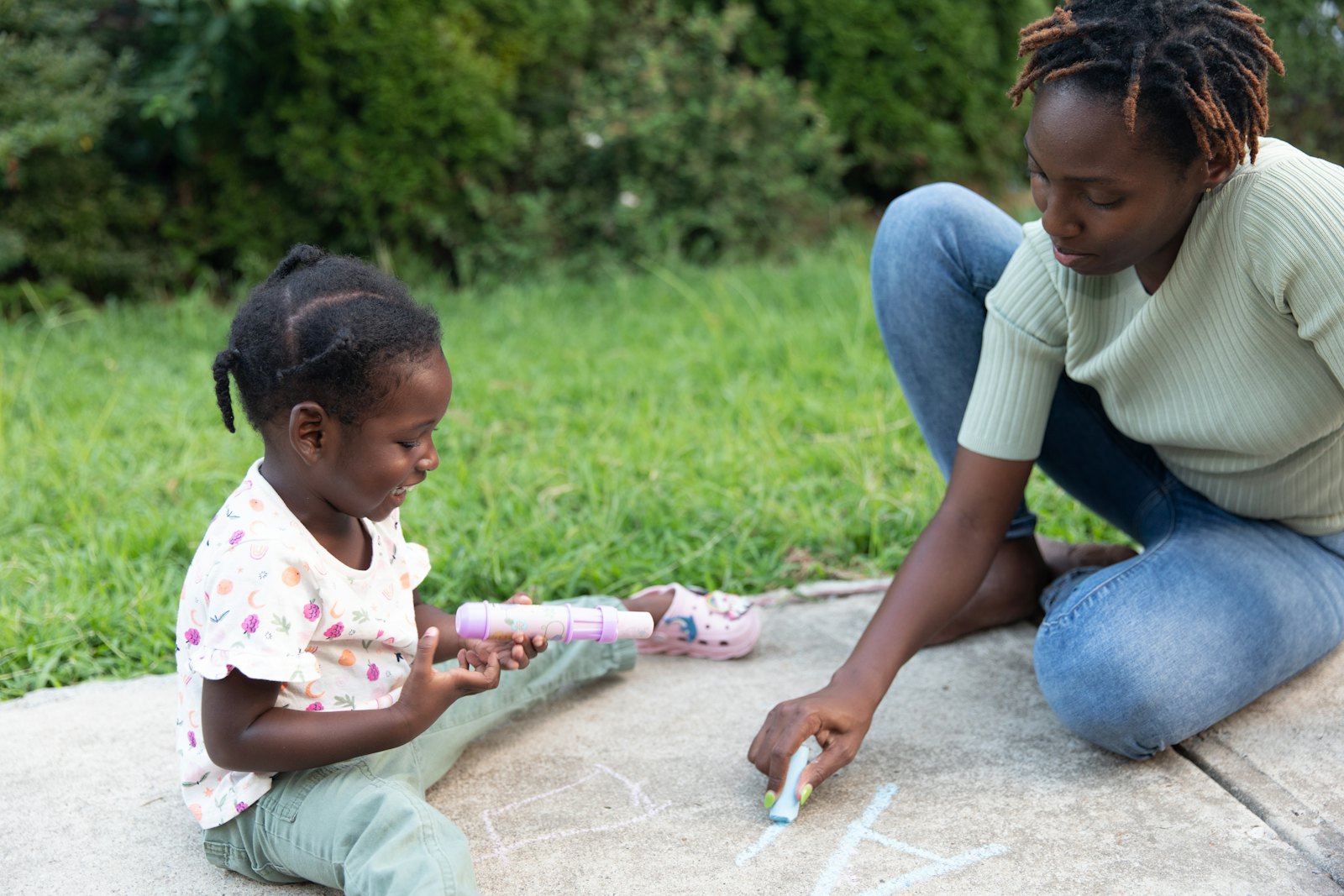
- Co-player. Joining the play on the child's terms, taking a role in the pretend restaurant rather than taking it over.
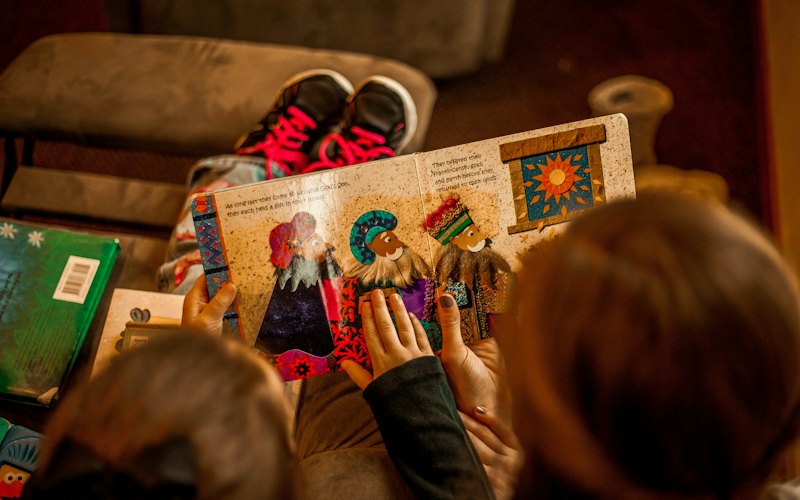
- Language partner. Narrating, asking open questions ("What do you think will happen if...?") and introducing new words in context.
- Problem-solving coach. Helping two children who both want the same shovel find their own solution instead of handing down a ruling.
- Safety keeper. Keeping risk reasonable while still allowing children to climb, test and try.
The skill is knowing when to step in and when to step back. A good question at the right moment can deepen play. Too many questions can end it.
Balancing play and structure
Children still need a predictable day. Play-based programs usually have a consistent rhythm of arrival, long blocks of self-directed play, small group times, meals, outdoor time, rest and transitions. Structure is what makes the free play feel safe.
A few ways to keep the balance:
- Protect long, uninterrupted play periods. Frequent transitions cut play short before it gets rich.
- Keep group times brief and connected to what children are already exploring.
- Use visual schedules so children know what comes next.
- Plan intentional experiences, such as a new song or a cooking activity, and offer them as invitations rather than requirements where you can.
Your province's curriculum framework will guide the balance. Ontario educators, for example, work with How Does Learning Happen?, which centres belonging, well-being, engagement and expression. Other provinces have their own frameworks with similar values.
Sharing the learning with families
Parents sometimes worry that "they just play all day." The answer is to make the learning visible. When a family sees a photo of their child pouring water between containers, alongside a short note about measuring, prediction and fine motor control, play suddenly looks like what it is: serious work.
- Share short observations with a photo and one sentence about what the child was learning.
- Post a weekly summary of the room's current interests and invite families to contribute, such as a recycling bin from home or a story about their own garbage day.
- Use pickup conversations to connect home and centre: "She built a tall tower today and kept counting the blocks. Does she count at home too?"
- Build portfolios over time so families can see growth, not just single moments.
A quick self-check
At the end of a week, ask your team: Did children have long stretches to play? Did we add at least one thing because of what we noticed? Did each family hear something specific about their child's learning? If the answer is yes, your program is play-based in practice, not just on the brochure.
How KiddieTrac helps
KiddieTrac lets educators record observations and photos, link them to lesson plans and portfolios, and send daily reports and photos to parents, so the learning happening in play reaches families without extra paperwork.