 Zūm Rails
 Stripe
 Interac e-Transfer
 Visa
Visa Mastercard
 American Express
 Apple Pay
 Google Pay
 QuickBooks
 Twilio
 Microsoft 365
 Google Workspace
 Canadian team

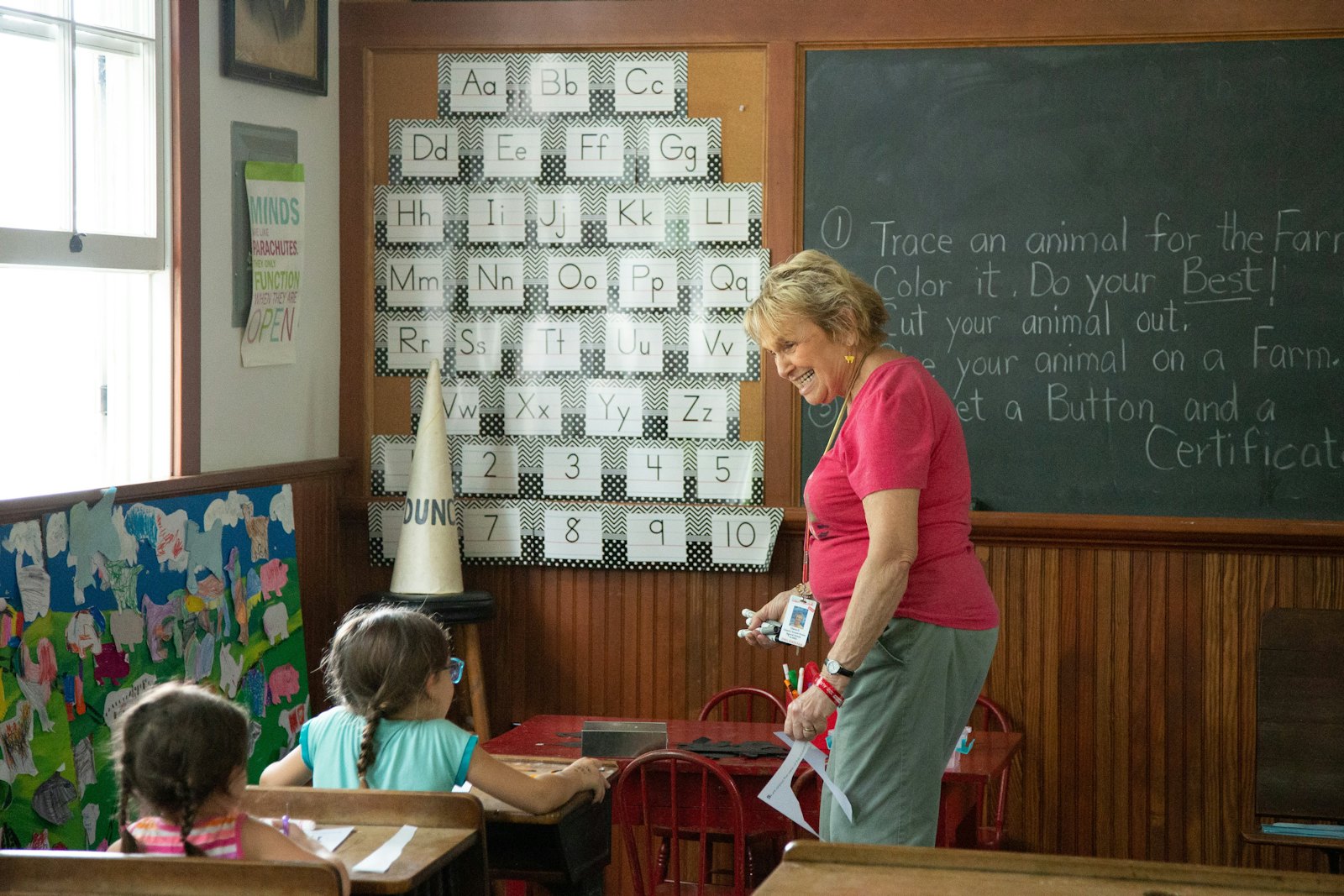
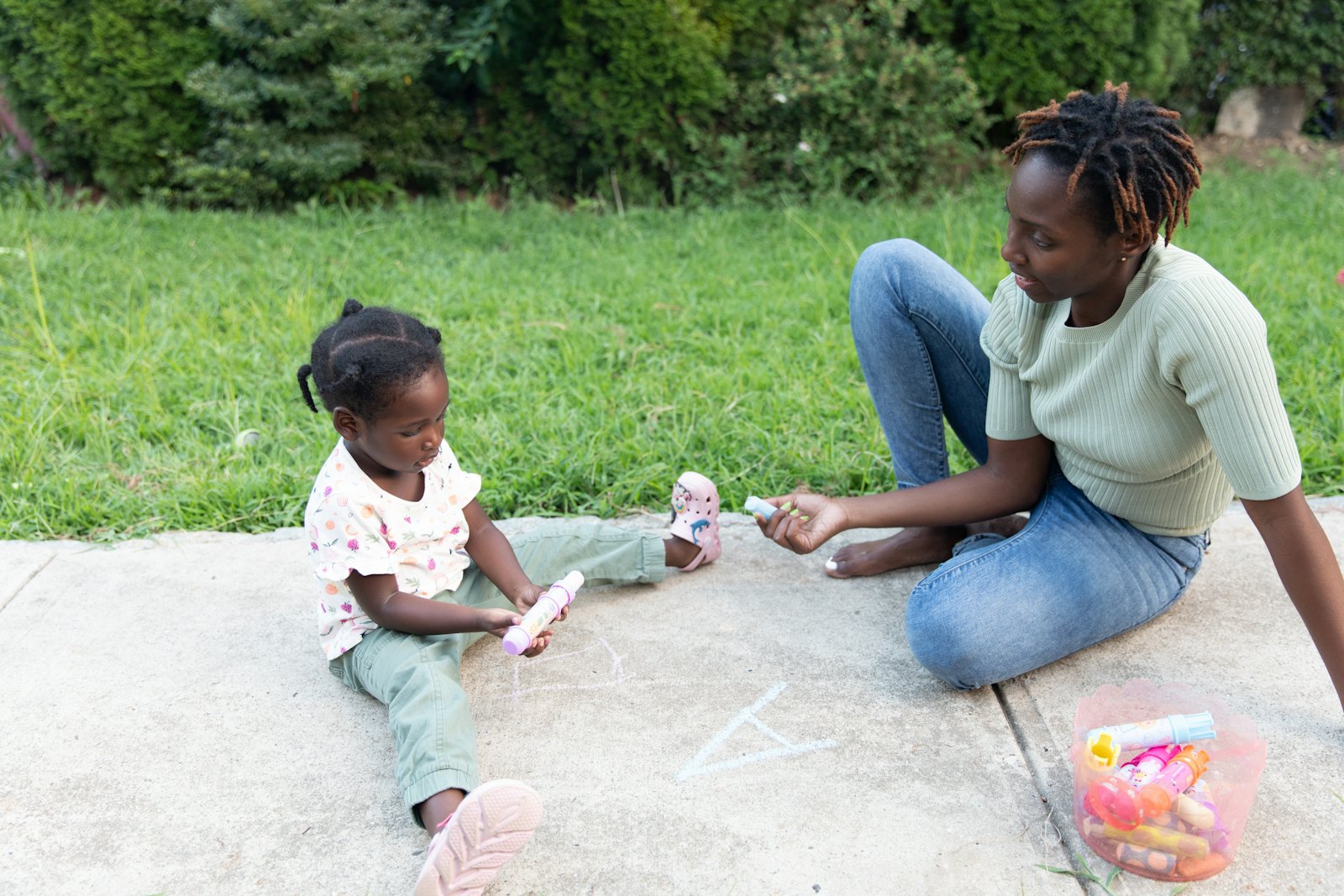
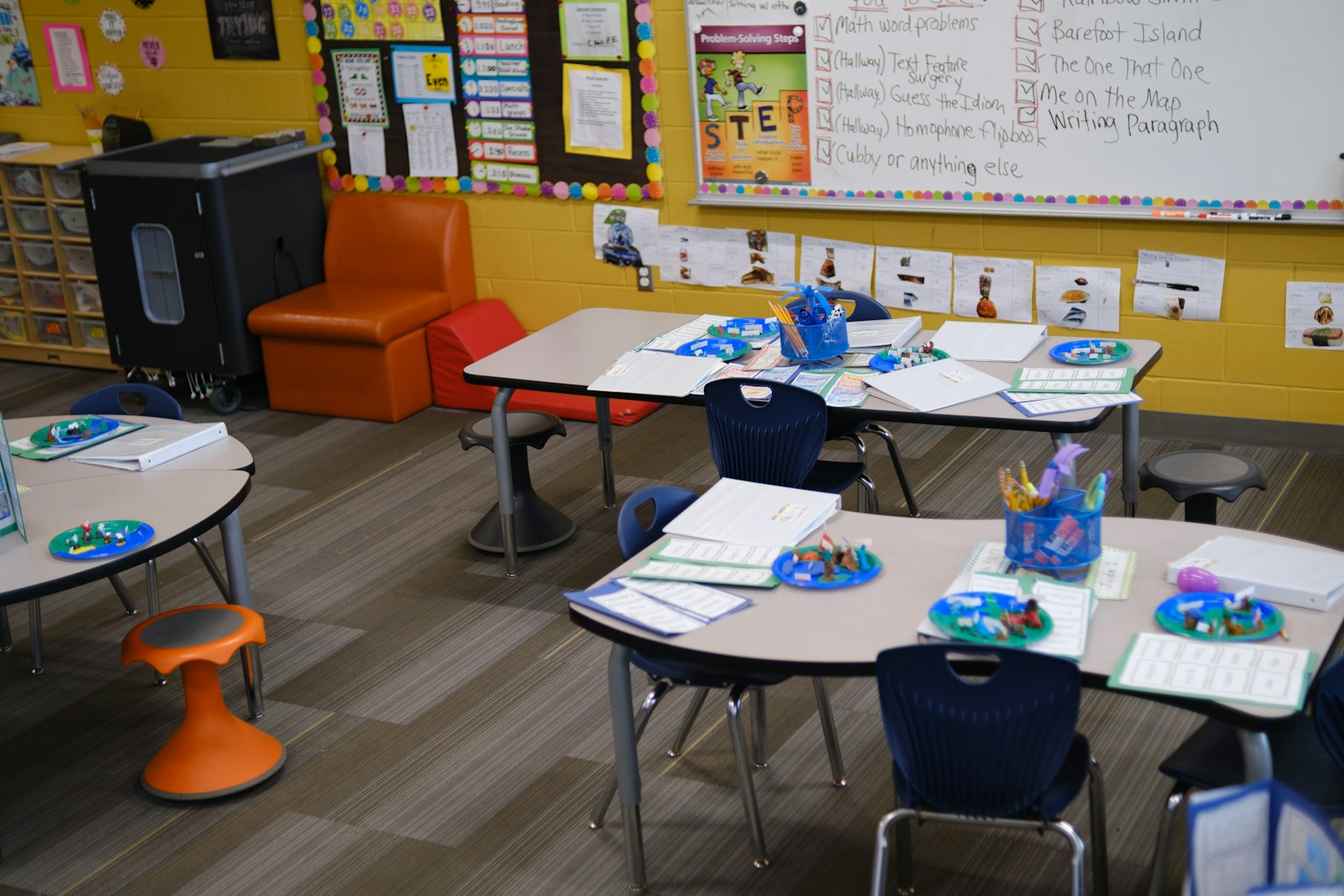

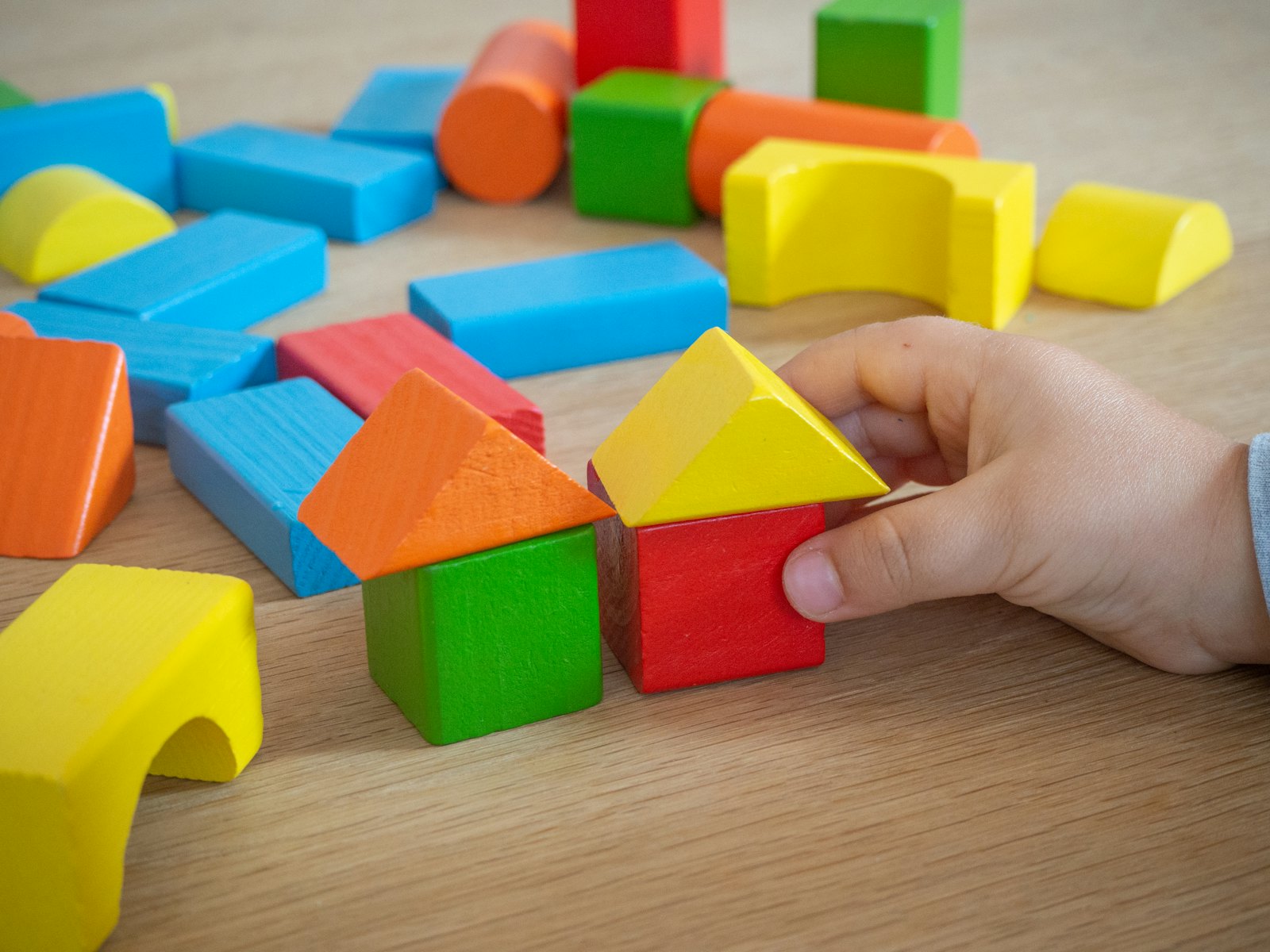
Ask educators what takes up time outside the room and documentation will be near the top of the list. Observations matter. They help you plan, they show families what their child is learning, and they support conversations about development. But a pile of vague notes written at 5:45 p.m. helps no one. The goal is fewer, better observations captured in the moment, not a novel at the end of the day.
What makes an observation useful
A useful observation answers a simple question: what did the child actually do or say? It is specific enough that another educator reading it would picture the same moment. Compare these two:
- "Liam had a great day in the block area."
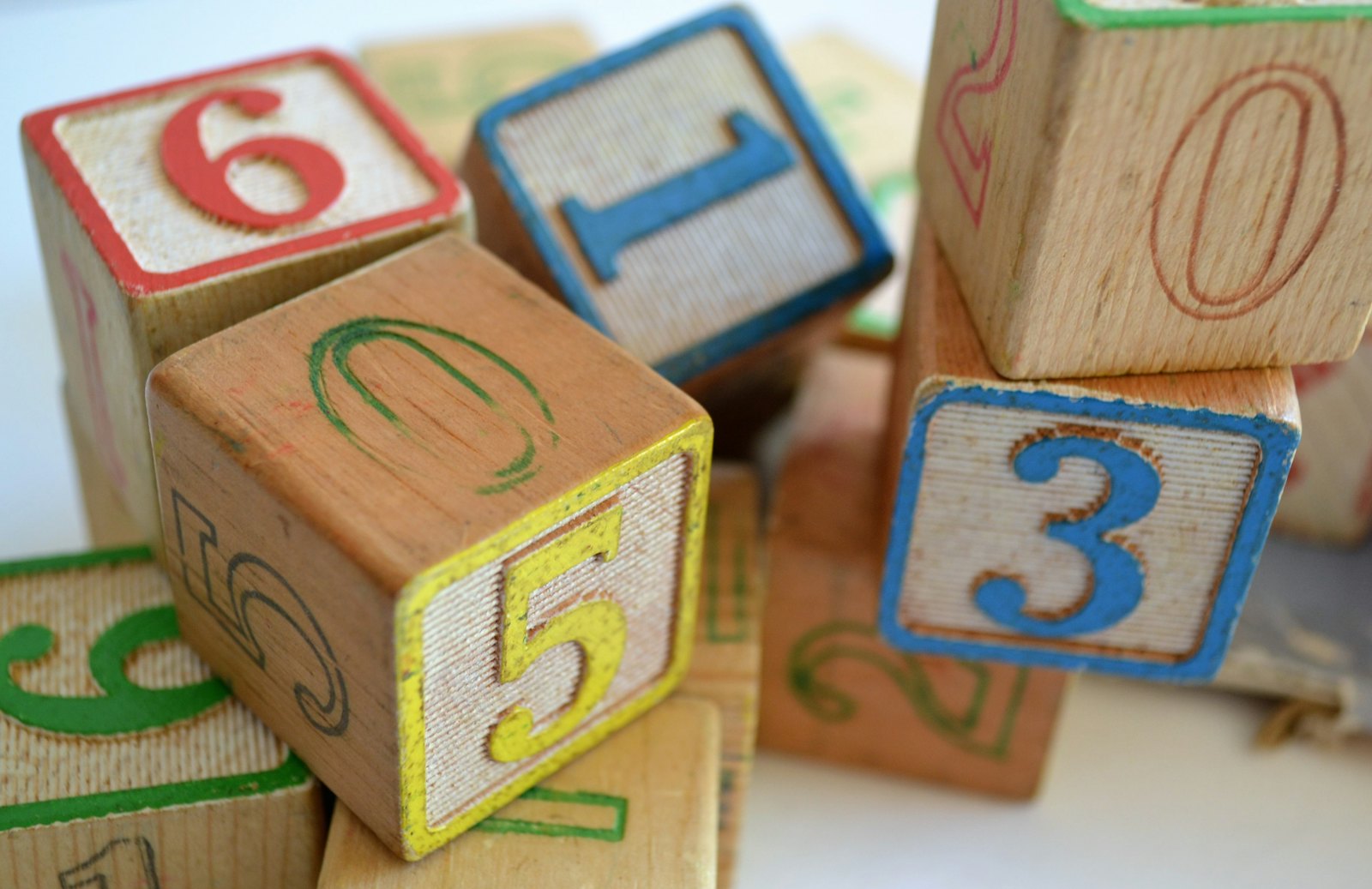
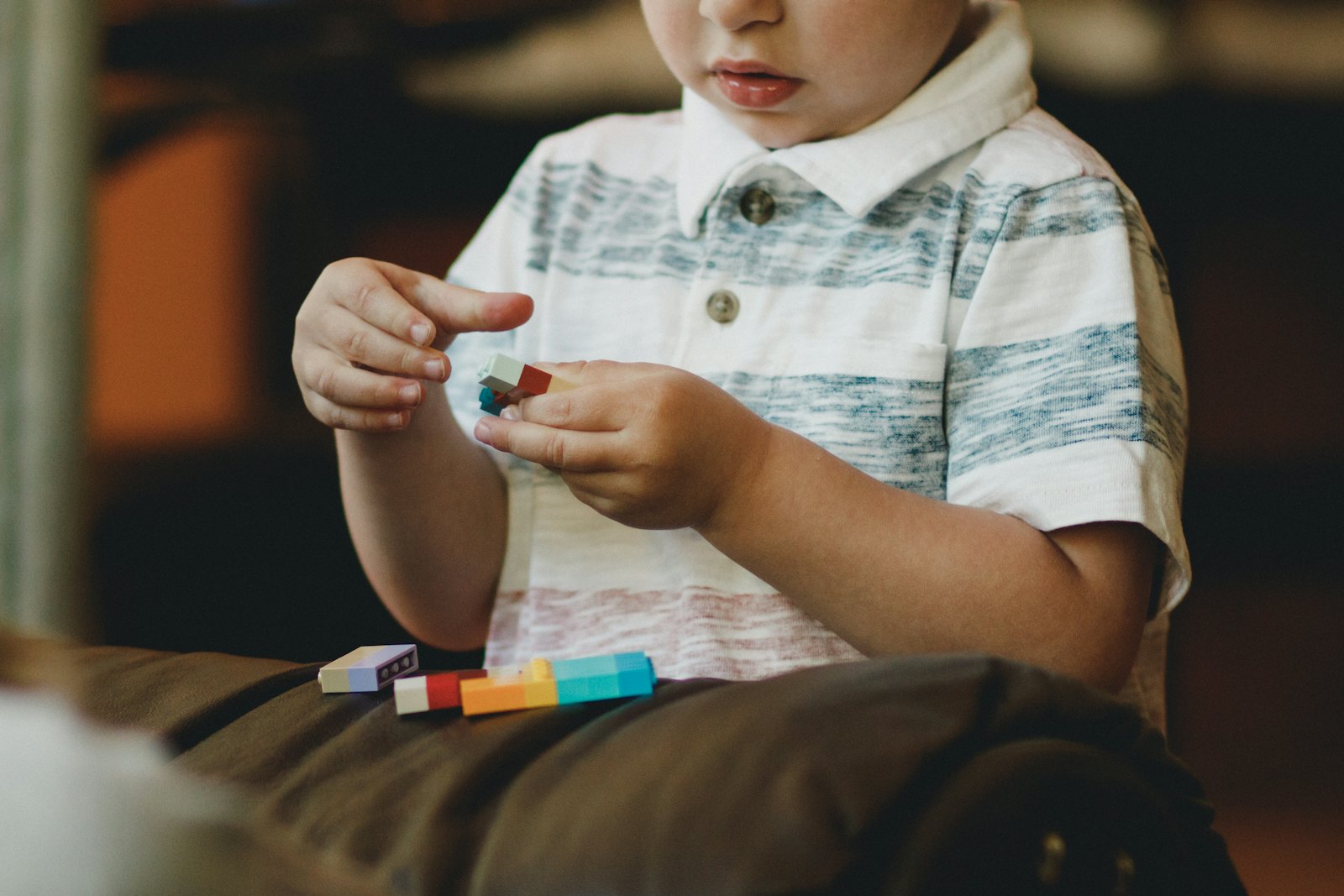
- "Liam stacked eight blocks, watched the tower fall, then rebuilt it with the larger blocks on the bottom. He said, 'Big ones go first so it doesn't fall.'"
The second takes a few seconds longer to write and is far more valuable. It shows problem-solving, early physics and language, and it gives you something to build on tomorrow.
Objective first, interpretation second
Separate what you saw from what you think it means. Keeping the two apart makes your notes fairer and more professional, especially if they are ever shared with families or specialists.
- Objective notes describe actions, words, duration and context. "Held the crayon in a fist grip and made circular marks for about three minutes."
- Interpretive notes add your professional reflection. "Showing interest in mark-making; may enjoy chunky crayons and larger paper at the easel."
Avoid labels and judgments in the objective part, such as "lazy," "shy," "aggressive" or "bad day." Describe the behaviour instead: "Sat at the edge of the group and watched for most of circle time." That keeps the record accurate and respectful, and it leaves room for the interpretation to change as you learn more.
Connect notes to learning goals
Observations become more useful when they link to the framework your program uses. In Ontario, many programs reflect on the four foundations in How Does Learning Happen?: belonging, well-being, engagement and expression. Other provinces and states have their own early learning frameworks with their own goals and language.
You do not need to tag every note with a long list of outcomes. One or two clear links are enough. Over weeks, those links show patterns: a child with many observations about expression but few about belonging might need more support to connect with peers. That is the kind of insight that actually changes your planning.
Photos: powerful, with consent
A photo can capture what a paragraph cannot, such as the shape of a block structure or the focus on a child's face. Use them well:
- Get written consent first. Confirm each family's photo permissions at enrolment, including whether their child can appear in group photos shared with other families.
- Know who has opted out and make that easy for every educator to check, including supply staff.
- Use program devices rather than personal phones, and follow your privacy policy on where images are stored.
- Pair every photo with a sentence. A photo alone shows what happened; the note explains why it matters.
Quick capture habits
The biggest time saver is writing in the moment instead of reconstructing the day from memory.
- Jot, then finish later. Capture a few keywords and a quote on the spot. Tidy the note during nap or planning time while it is still fresh.
- Set a small daily target. Two or three quality observations per educator per day adds up quickly across a week, without anyone feeling buried.
- Share the load. Divide children among educators so everyone is observed regularly and no child is overlooked.
- Use a simple structure. Date, context, what happened, a quote if you have one, and a one-line reflection. Consistency speeds up writing and reading.
- Record the ordinary. Milestones are exciting, but everyday moments often show the most about how a child learns.
Building portfolios that tell a story
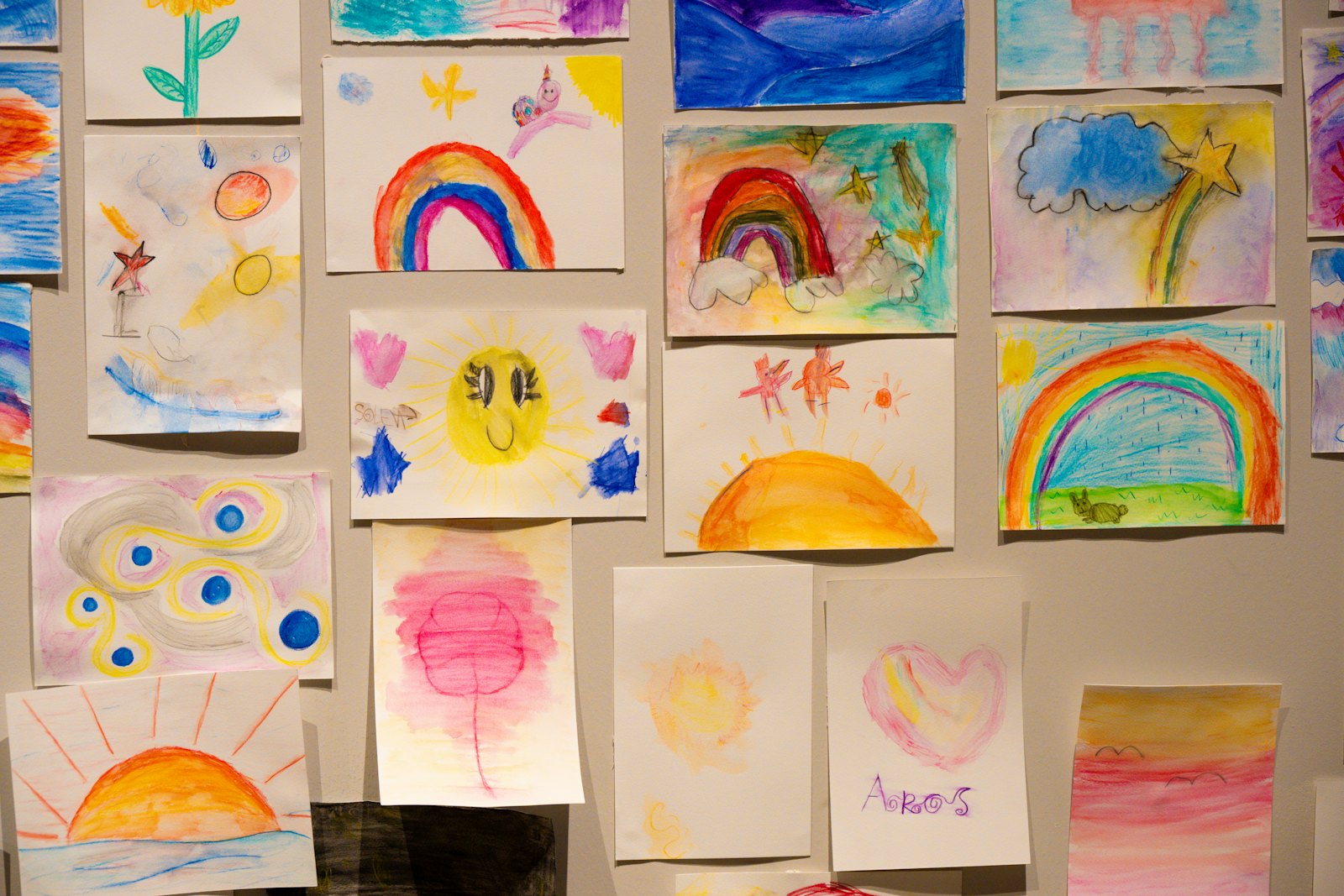
A portfolio is not a scrapbook of every observation. It is a curated collection that shows growth over time. Choose pieces that show change, such as an early drawing next to one from months later, or a note about a child who once avoided the climbing frame and now reaches the top. Add a short reflection at natural points, like the end of a term or before a family conference.
Invite families to contribute too. A photo from a weekend or a note about something the child said at home makes the portfolio richer and strengthens the partnership between home and program.
Protect the record
Observations are personal information. Store them securely, limit access to staff who need them, and follow your provincial or state privacy requirements and your program's retention policy. If an observation raises a concern about development or well-being, follow your program's procedures and discuss it with your director rather than recording speculation.
How KiddieTrac helps
In KiddieTrac, educators can record observations with photos from a tablet or phone during the day, link them to lesson plans, and build them into each child's portfolio, which can then be shared with families alongside daily reports.