




 Zūm Rails
 Stripe
 Interac e-Transfer
 Visa
Visa Mastercard
 American Express
 Apple Pay
 Google Pay
 QuickBooks
 Twilio
 Microsoft 365
 Google Workspace
 Canadian team



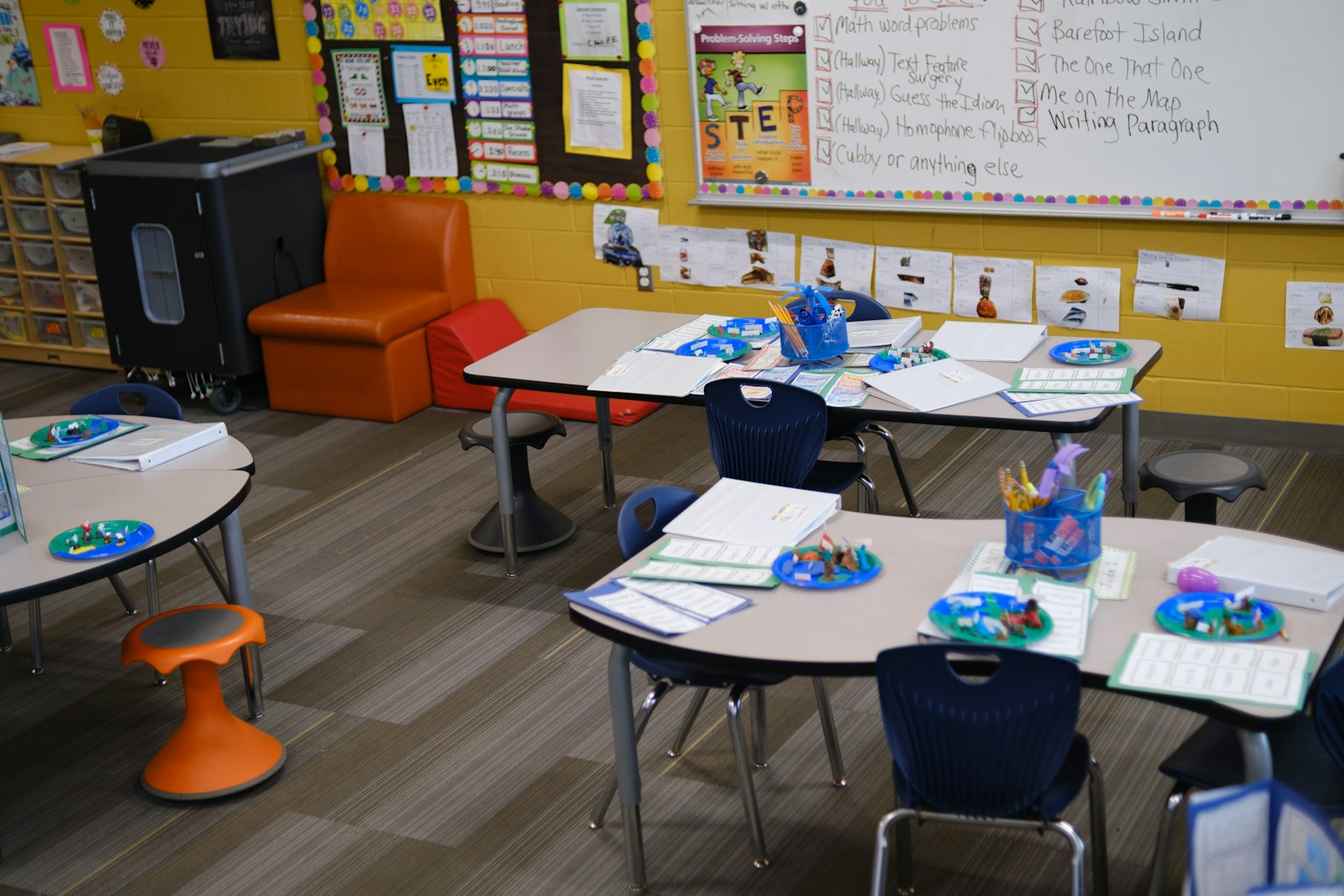


Caring for children in your own home can be a rewarding way to build a business around something you love. It is also a real business with real responsibilities. Before you put a sign out or post in a neighbourhood group, it helps to work through a few foundations in order.
1. Understand your province's rules
Every province and territory regulates home child care differently. In general, you will find some combination of:
- Unlicensed home child care, which is usually allowed only up to a set number of children, with specific rules about how the provider's own children and children of certain ages are counted.
- Licensed or regulated home child care, which may be licensed directly by the province or overseen through an agency, with inspections, training requirements and higher child limits.
The maximum number of children, age mixes, required training, first aid and background checks all vary. Find your provincial ministry's official guidance and read it carefully before you make any plans.
2. Consider joining a licensed agency
In some provinces, including Ontario, licensed home child care is delivered through licensed home child care agencies. Providers contract with an agency, which offers home visits, support, training and oversight, and helps connect them with families. Being affiliated can also open the door to government funding programs, such as those under the Canada-wide Early Learning and Child Care (CWELCC) system where they apply, and to fee subsidy for eligible families.
If your province has agencies, contact a few and ask what they require, what support they offer, and how fees and payments work.
3. Check your municipality and your lease
Some municipalities have zoning or business licence requirements for home-based businesses. If you rent, read your lease, and if you are in a condo, check the building's rules. It is far easier to sort this out now than after families have enrolled.
4. Get the right insurance
A standard home insurance policy may not cover a childcare business. Speak with your insurer or a broker about:
- Liability coverage for a home childcare operation
- Whether your home policy needs to be updated to disclose the business
- Coverage if you drive children anywhere
Agencies sometimes require specific coverage, so ask them too.
5. Make your home safe
Walk through your home at a child's eye level. Common areas to address include:
- Working smoke and carbon monoxide detectors, and an emergency evacuation plan you practise
- Covered outlets, secured furniture and blind cords out of reach
- Locked storage for medications, cleaning products and anything hazardous
- Gates at stairs and safe, fenced outdoor play space
- Safe sleep arrangements appropriate to each child's age, following current guidance
- A first aid kit and posted emergency numbers
Your province or agency will likely have a detailed safety checklist. Use it.
6. Write your policies and contract
Clear written policies protect you and the families you serve. A parent handbook and a signed contract typically cover:
- Hours, holidays and closures, including what happens when you are sick
- Fees, payment dates, late payment and late pickup
- Illness and exclusion policy
- Meals and allergies
- Behaviour guidance approach
- Notice periods for withdrawal
- Photo and privacy permissions
- Authorised pickup people
7. Set your pricing thoughtfully
Look at your actual costs first: food, supplies, insurance, extra utilities, equipment and your own time, including unpaid planning and cleaning. Then consider your local market. If you are part of a funded program, fees may be set or capped, so confirm the rules before quoting families. Decide how you will handle holidays, sick days and part-time spots, and put it all in writing.
8. Set up record keeping from day one
Good records make everything easier, from inspections to tax time. Plan to keep:
- Daily attendance with arrival and departure times
- Emergency contacts, allergies and medical information
- Immunization records if required
- Incident and accident reports
- Invoices, receipts for families and business expenses
Families often need receipts for tax purposes, so issue them consistently. Talk to an accountant about what you can deduct and how to report your income.
Start small and ask for help
Many providers begin with fewer children than they are allowed, settle into routines, then grow. Connect with other providers, your agency if you have one, and local early years networks. You do not have to figure it all out alone.
How KiddieTrac helps
KiddieTrac supports home child care providers and agencies with attendance and QR-code check-in/out, daily reports and photos to parents, automatic invoicing with online payments, and immunization and incident records in one place.