

 Zūm Rails
 Stripe
 Interac e-Transfer
 Visa
Visa Mastercard
 American Express
 Apple Pay
 Google Pay
 QuickBooks
 Twilio
 Microsoft 365
 Google Workspace
 Canadian team

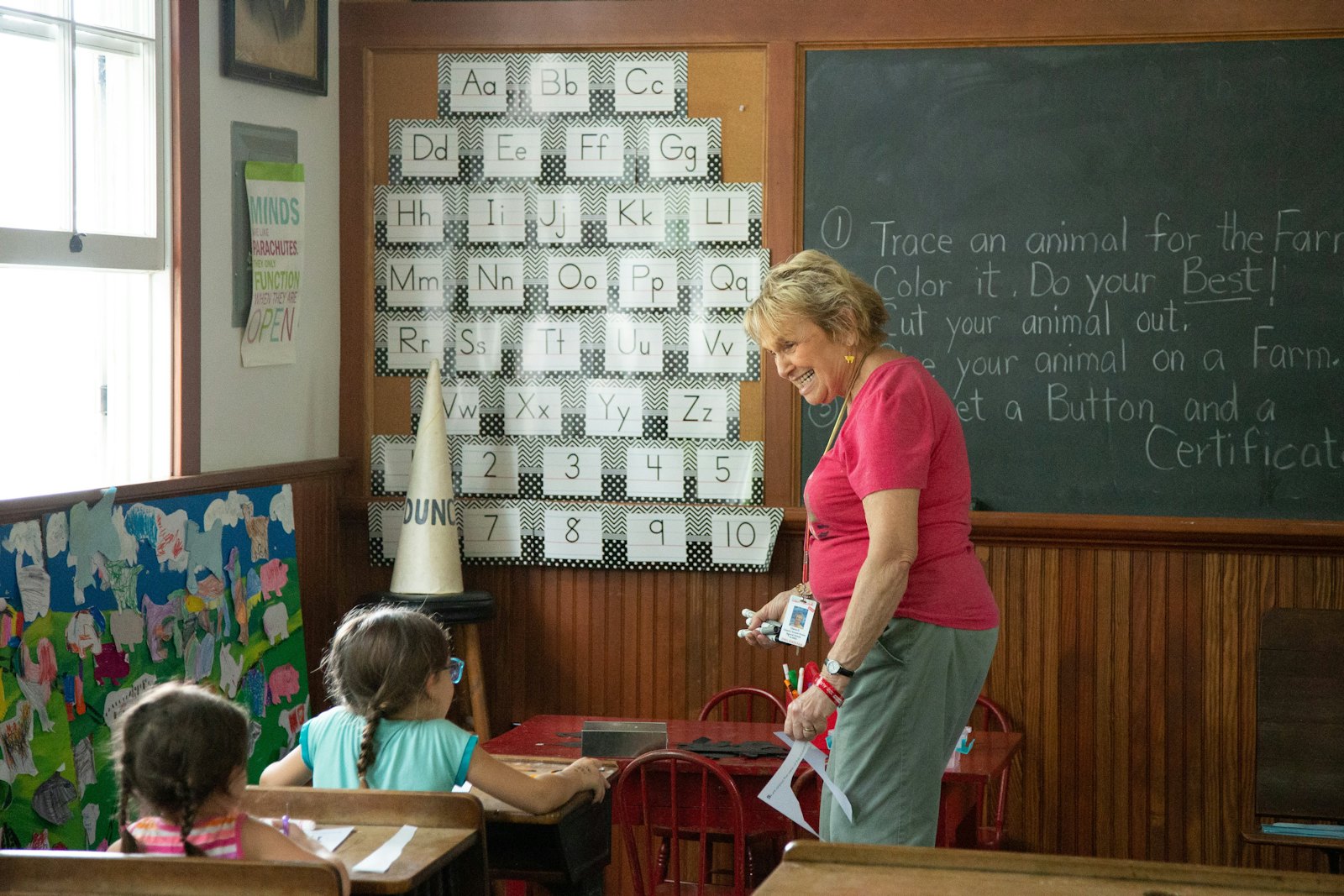
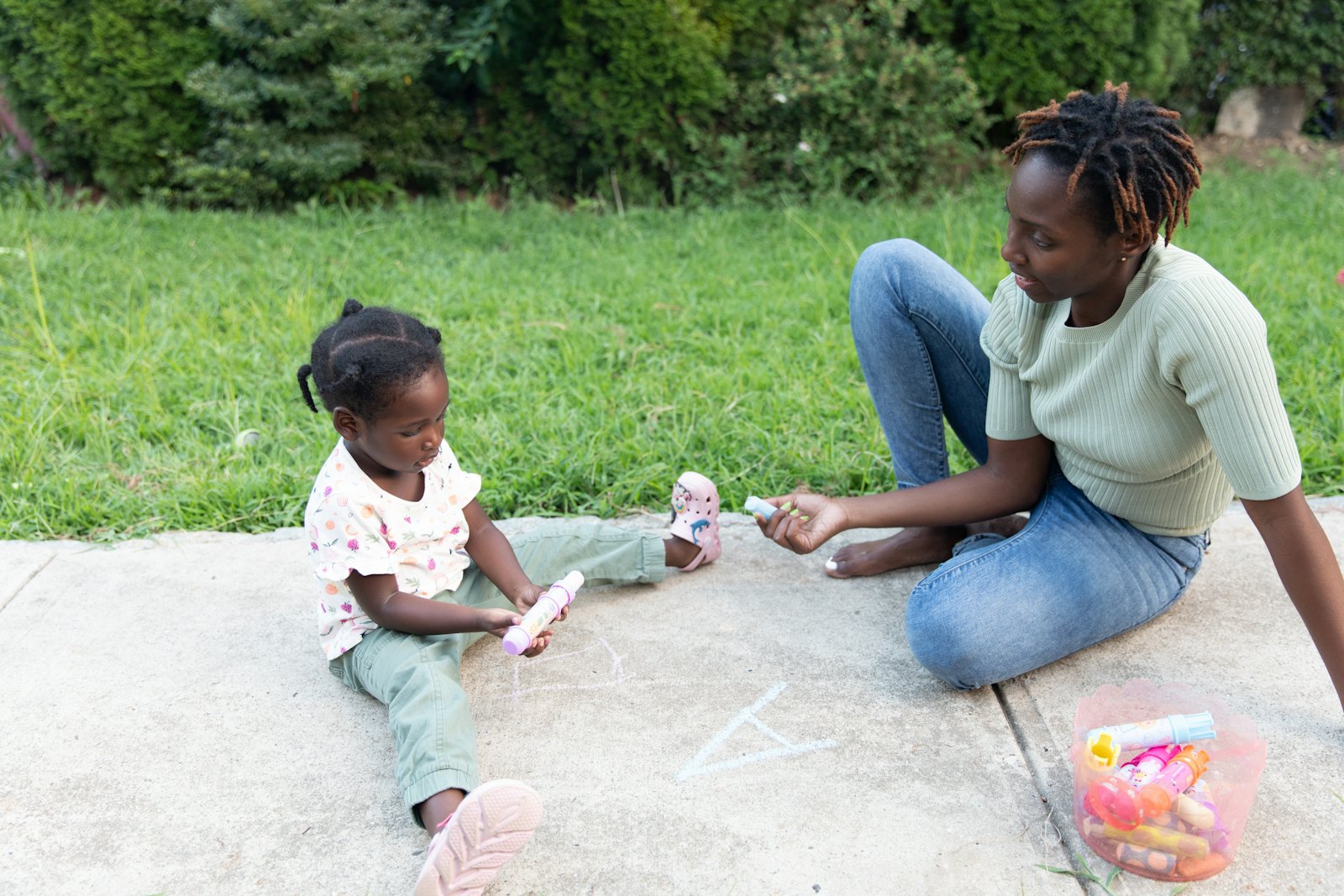

A good daily report is often the highlight of a parent's evening. A poor one is skimmed, or not opened at all. The difference usually isn't length or polish; it is whether the report tells a parent something real about their child's day. Here is how to make daily reports worth reading, without adding hours to your educators' workload.
Cover the essentials, briefly
Parents rely on daily reports for practical information, especially for infants and toddlers. The essentials usually include:
- Meals and snacks: what was offered and roughly how much was eaten.
- Sleep: when naps started and ended.
- Toileting or diapering for younger children, where families want it.
- Mood and wellbeing: a quick sense of how the day went.
- Anything to note: supplies running low, a minor bump, a change from the usual.
Record these as the day happens rather than trying to remember them at 5:30. Quick taps or checkboxes throughout the day are far more accurate than end-of-day recall.
Include one real learning moment
The routine details reassure parents. The learning moment is what makes them smile, and what gives them something to talk about at dinner. It does not need to be long. One or two sentences about something specific the child did, said or discovered is enough:
- "Ava counted all the ducks in the picture book and then counted them again to be sure."
- "Jonah helped water the garden and noticed the bean plant had grown taller."
Where it fits your curriculum, a brief link to learning, such as early numeracy or noticing change, helps families see the purpose behind play.
Use photos thoughtfully, and with consent
Photos are often the part of a report parents look at first. They are also personal information, so handle them with care:
- Get written consent from families before photographing their child or sharing images, and respect any family that says no.
- Be careful with group photos. If another child in the picture does not have consent, choose a different shot.
- Avoid photos during diapering, changing, toileting or anything else private.
- Pick a few good photos rather than dozens of similar ones.
- Make sure staff use centre devices or approved tools, not personal phones, if that is your policy.
Keep it quick for educators
If daily reports take too long, they get rushed, and rushed reports sound the same every day. Make it easy:
- Log routine items as they happen, in as few taps as possible.
- Keep a short structure so educators know exactly what to fill in.
- Set aside a few minutes during a quieter moment, such as rest time, to add the personal note.
- Share the load, so one educator isn't writing every report in the room.
Avoid copy-paste fatigue
Parents notice quickly when their child's report reads exactly like yesterday's, or like a classmate's. "Had a great day! Enjoyed playing with friends!" every afternoon tells them nothing. Some simple guards:
- Use a template for structure, not for sentences.
- Name something specific: a toy, a friend, a word, an activity.
- Vary what you highlight across the week: social, physical, creative, language.
- If a day really was ordinary, a short honest note is better than a generic long one.
Be honest about harder days
Not every day is great, and parents know that. A report that only ever says "wonderful" loses credibility. If a child was tired, upset or had trouble with a transition, say so kindly and briefly, and mention what helped. Anything significant, such as an injury, illness or a serious behaviour concern, deserves direct personal contact rather than a line in a report.
Ask families what they value
Families differ. Some want every nap time; others mainly want a photo and a sentence. Ask at enrolment and occasionally afterwards, and adjust where you reasonably can.
How KiddieTrac helps
KiddieTrac lets educators log meals, naps and other routines through the day and share daily reports and photos with parents. AI-written daily recaps can draft a summary from what educators recorded, which they can review, and observations and lesson plans sit alongside so learning moments are easy to capture.