


 Zūm Rails
 Stripe
 Interac e-Transfer
 Visa
Visa Mastercard
 American Express
 Apple Pay
 Google Pay
 QuickBooks
 Twilio
 Microsoft 365
 Google Workspace
 Canadian team

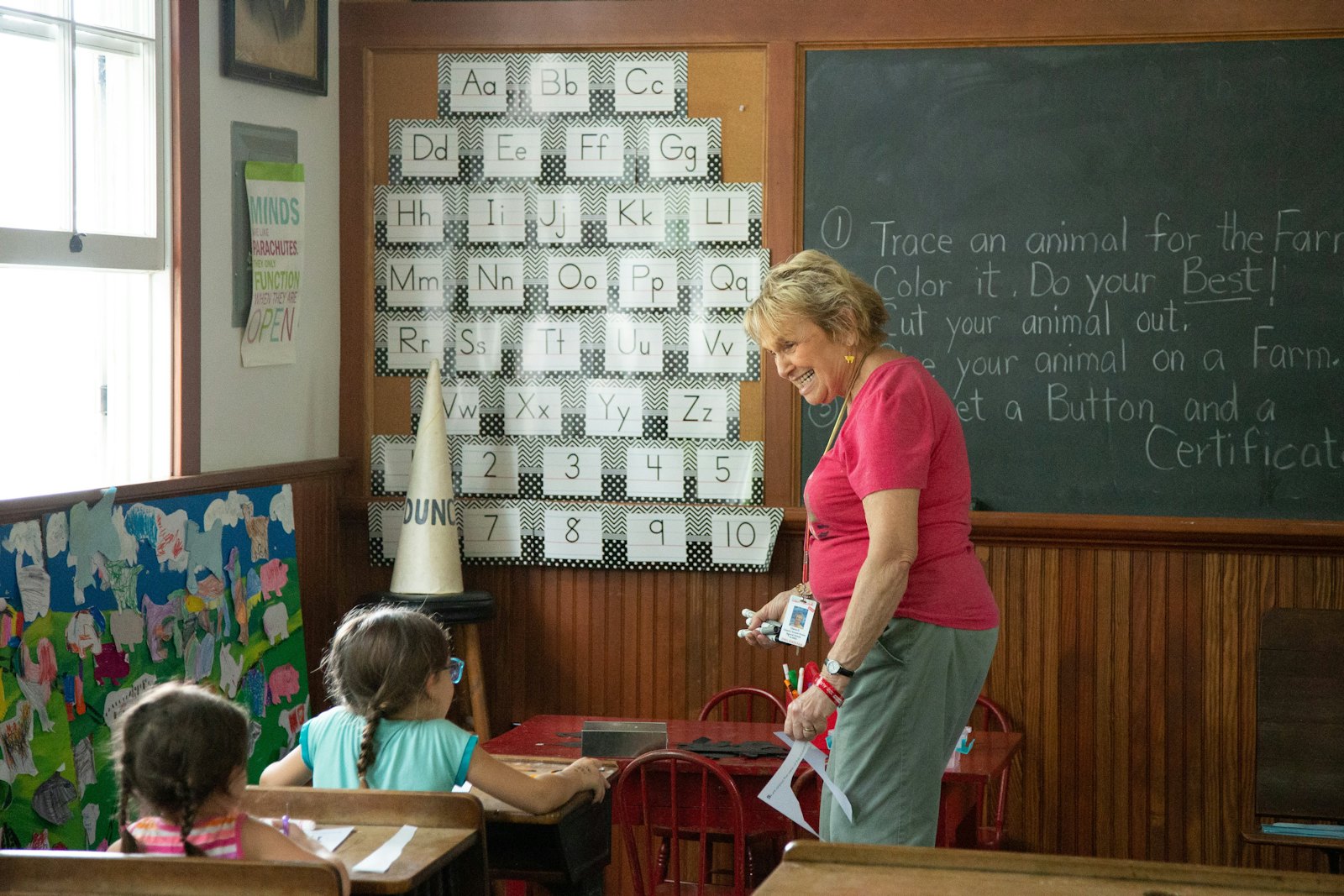
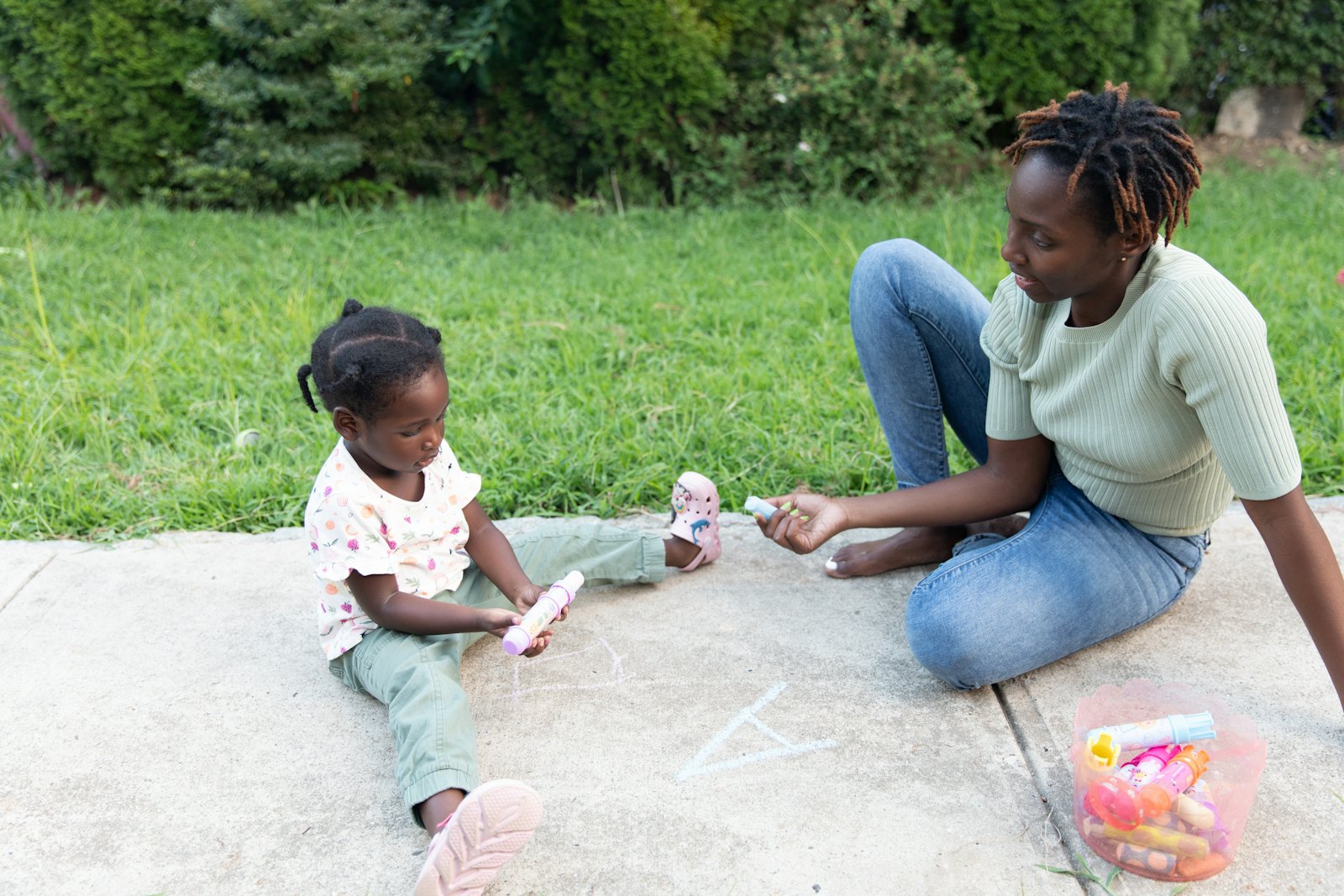


Parents hand you the most important person in their lives every morning, then spend the day mostly out of sight. Communication is how they come to trust that their child is safe, known and cared for. It is also where small misunderstandings can grow into real conflict. The good news is that trust-building communication is less about perfect writing and more about consistency, honesty and warmth.
Know what parents actually want to hear
Most parents are not looking for long reports. They want reassurance and a sense of connection. The things that tend to matter most:
- Their child is okay: eating, sleeping, comfortable and settled.
- Someone knows their child: a specific detail shows you do.
- Anything unusual: a bump, a rough nap, a change in mood, told plainly and early.
- What's coming: closures, events, fee changes and supplies needed, with enough notice to plan.
"Maya spent ages building a tower with Leo and was so proud when it stayed up" does more for trust than a paragraph of general description.
Choose the right channel for the message
Different messages belong in different places. A simple guide:
- Daily updates belong in a consistent place parents check every day, such as a daily report.
- Quick questions suit direct messaging, answered within a timeframe you set and share.
- Announcements should go to everyone affected, in writing, so nobody misses them.
- Urgent matters such as injuries, illness or emergencies call for a phone call or an urgent alert, not a message that might sit unread.
- Sensitive conversations about development, behaviour or concerns are best held in person or by phone, then followed up in writing.
Tell families which channel to expect for which kind of news. Predictability is itself reassuring.
Get the frequency right
Too little communication leaves parents anxious; too much becomes noise they stop reading. A daily update, occasional general announcements and prompt personal contact when something happens is a good rhythm for most programs. Avoid sending five separate messages when one well-organised message would do.
Set a tone and keep it
The best tone for a childcare centre is warm, plain and professional. Write the way a kind, competent educator speaks. Avoid jargon, avoid sarcasm, and avoid anything that could read as blaming a child or a parent. Describe behaviour factually rather than labelling: "Sam had a hard time sharing the blocks today and we practised taking turns" rather than "Sam was difficult."
Handle concerns quickly and openly
When a parent raises a concern, the first response matters more than the eventual resolution. A few principles help:
- Acknowledge it promptly, even if you need time to look into it.
- Listen fully before explaining. Parents need to feel heard first.
- Find out the facts, and involve the director when appropriate.
- Follow up with what you learned and what you will do.
- Check back later to see whether things have improved.
Having a written concerns or complaints process, shared at enrolment, helps families know what to expect.
Prepare for difficult conversations
Some conversations are hard: a developmental concern, repeated biting, an unpaid balance, a serious incident. Prepare by knowing the facts and any documentation, choosing a private time, and bringing in the director if needed. Start with what you appreciate about the child, describe what you have observed specifically, and focus on working together. End with clear next steps and a time to reconnect. Afterwards, write a short, factual note of what was discussed.
Be consistent across your whole team
Trust breaks down when parents get different answers from different people. Agree as a team on the basics: who responds to which kinds of messages, how quickly, what information may be shared, and what must be escalated to the director. Share a few example messages so everyone has a model. Make sure families' privacy is respected; one family's situation is never discussed with another.
How KiddieTrac helps
KiddieTrac gives families one place for daily reports and photos, direct parent messaging, and announcements, with emergency and announcement SMS and voice calls when something is urgent. Incident reports are recorded in the same system, so what staff tell families and what is documented stay aligned.